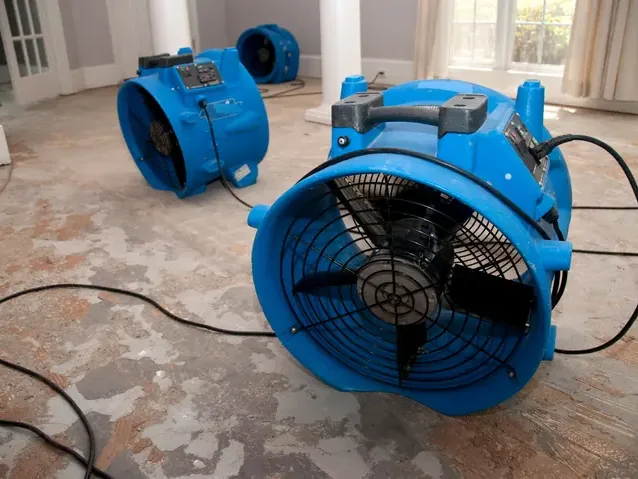
West Linn Water Damage RestorationWater extraction and structural drying
Water in an existing lower level

Basement Water Removal in Happy Valley

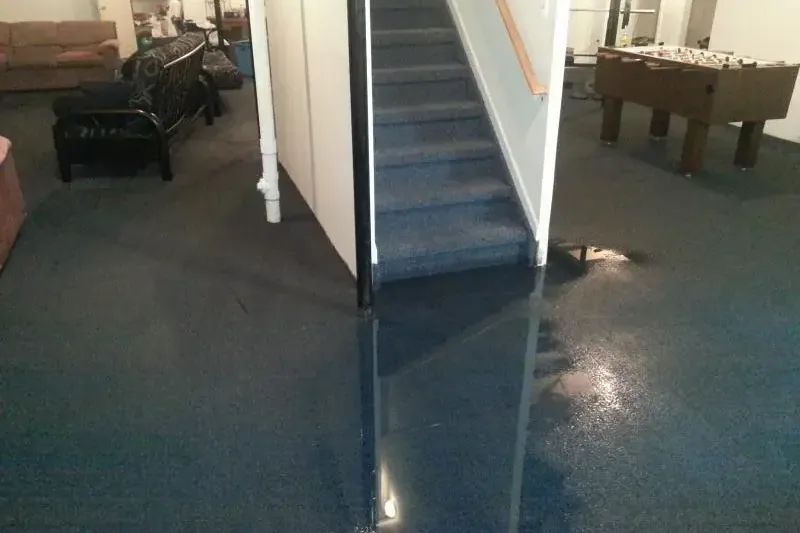
Water at the bottom of basement stairs can hide electrical hazards and block the only useful entry. Happy Valley basement cleanup begins with safe access to the existing space, then plans recovery around the water source and layout.

(888) 373-8814Assess the flooded lower level
  • Safe stair access
  • Water source assessment
  • Lower wall drying
Water covering carpet in a finished lower-level room at the bottom of stairs
Access prioritySafe entry from dry ground
Source assessmentIdentify continuing water entry
Removal planningLiquid contents and wet finishes
Drying boundaryFloors and lower wall assemblies
First steps

What to do before basement water removal

  1. Stay at a dry safe position. Do not descend into water to retrieve stored items or inspect equipment. Electrical conditions and hidden obstacles need assessment before the lower level can be entered or used.
  2. Describe the entry and source. Report what is visible from above, whether water is rising and any known source repair underway. The description helps plan recovery without requiring an occupant to enter the room.
  3. Keep stairs and exits clear. Avoid stacking belongings at the stair opening while planning cleanup. Equipment and removed materials need a usable route that does not block safe movement out of the affected space.
  4. Identify sensitive stored contents. List belongings likely to be affected and note where they were kept. Photographs from safe access points support handling decisions before soaked boxes or furnishings are moved through the property.

Basement Water Removal assessment

Assess lower level hazards
Inspection addresses electrical concerns and water entry. The room layout determines safe equipment placement and routes for removing affected materials.
Plan recovery and source control
Water removal is coordinated with correction of continuing entry. The condition of the water determines handling needs for liquid, affected storage and absorbent finish materials around the room.
Expose affected floor and wall layers
Contents and unsuitable finishes are removed as the scope requires. Accessible retained surfaces can then be cleaned where needed and prepared for an appropriate drying arrangement.
Check the room before restoration
Repeat readings address lower walls and flooring after recovery. The handoff identifies removed contents, dried materials and any remaining source or finish work before the space returns to use.
How the work proceeds

How basement water removal is handled

  1. 1

    Assess lower level hazards

    Inspection addresses electrical concerns and water entry. The room layout determines safe equipment placement and routes for removing affected materials.

  2. 2

    Plan recovery and source control

    Water removal is coordinated with correction of continuing entry. The condition of the water determines handling needs for liquid, affected storage and absorbent finish materials around the room.

  3. 3

    Expose affected floor and wall layers

    Contents and unsuitable finishes are removed as the scope requires. Accessible retained surfaces can then be cleaned where needed and prepared for an appropriate drying arrangement.

  4. 4

    Check the room before restoration

    Repeat readings address lower walls and flooring after recovery. The handoff identifies removed contents, dried materials and any remaining source or finish work before the space returns to use.

Planning the work

What does basement water removal cost in Happy Valley, OR?

Basement water removal costs in Happy Valley reflect access, water condition and affected finishes. Recovery, contaminated material handling and drying should be described separately, along with any source repair needed to stop continued entry.

Shallow accessible water

$1,500 to $3,000
  • Clear equipment access
  • Limited wet finishes
  • Initial lower wall checks

Finished basement loss

$3,000 to $6,000
  • Wet carpet assessment
  • Selected wallboard removal
  • Expanded contents handling

Deep or contaminated loss

$6,000 to $9,000+
  • Controlled recovery planning
  • Contaminated material removal
  • Complex cleaning and drying

The scope reflects water category, affected area, material class and the delay before drying. water damage cost calculator.

An existing basement can be difficult to inspect when standing water blocks the stair landing. The first decision is whether entry is safe, not which belongings to retrieve. Happy Valley basement water removal begins by assessing hazards, ongoing entry and the actual room layout before equipment or contents movement is planned.

Make the entrance part of the scope

Stairs, narrow doorways and stored items can limit access to wet surfaces. A pump hose or removal route should not create another obstruction at the exit. The assessment should identify where equipment can operate and where affected belongings can be staged without carrying dirty water into the dry rooms above.

Mount Scott is the highest point in Happy Valley, and Scouters Mountain Nature Park rises above the city. Southeast Honorable Way leads to the park's parking area. Inside an affected property, the basement's own access openings, finish materials and water source determine the removal and drying plan.

Understand the water before pumping

A plumbing release, outdoor entry and wastewater backup call for different handling. The water source and condition should be assessed alongside electrical and building hazards. If water is still entering, source control needs coordination so recovery does not simply make space for another release into the same room.

  • Check whether electrical equipment or outlets are within the affected area.
  • Identify wet storage resting against lower walls or on the floor.
  • Assess carpet, pad and wallboard according to water condition and damage.
  • Keep stairs and other exit routes clear during planned removal work.

Expose the lower wall and floor boundary

After accessible liquid is recovered, moisture can remain in wall bases, flooring and enclosed finishes. Retained material drying addresses suitable assemblies after the necessary access and cleaning. When the source is wastewater, controlled sewage cleanup must address contamination before ordinary drying begins.

A finished room may need selective removal to reach wet layers, while an exposed surface may offer more direct access. The plan should explain those differences and document the contents removed. Final checks then support the transition from cleanup to replacement finishes, with any remaining source correction clearly identified before the lower level returns to regular use.
Service area

Basement water removal coverage

For an existing basement in Happy Valley, describe the stair entrance, other access openings and the water visible from a dry position. Mention equipment or outlets near the water and any stored contents blocking the route into the affected space.

The same service nearby: basement water removal in West Linn, Lake Oswego, Canby.

Water damage restoration in Happy Valley · every town covered
Questions

Basement Water Removal questions

01Should a homeowner enter shallow water?

Shallow water can reach electrical equipment or hide unstable flooring. Stay dry and describe the condition from there. Entry requires hazard assessment regardless of the visible depth.

02Can water be pumped out immediately?

The source, electrical conditions and building hazards should be assessed first. Recovery methods and timing need to suit the actual space and continuing entry. A pump alone does not address wet finishes, contaminated contents or the cause of the release.

03What happens to soaked storage boxes?

Boxes can weaken and release their contents during movement. Document them where safe, then use a planned handling route and staging area. Their contents need assessment according to material and water exposure before anything is returned to dry storage.

04Does a finished basement need wall removal?

Removal depends on contamination, material condition and access to moisture behind the finish. Wet lower wallboard may need opening to inspect insulation or framing. The scope should explain the specific areas affected instead of treating every wall identically.

05Why check the floor after pumping?

Pumping removes standing liquid but may leave moisture beneath carpet, flooring or wall bases. Those layers need assessment for removal or drying. A visually empty room can still contain absorbed water in the assemblies that will remain after cleanup.

06When can stored items return downstairs?

Return should follow safe access, source correction and the relevant cleaning and drying checks. Keep belongings out of areas still needed for measurement or finish repair. The completion record should identify which parts of the lower level are ready for use.

24/7 water restoration

Plan beyond pumping the basement floor

A practical scope connects safe removal with cleaning, drying and the repairs needed before the existing basement returns to household use.

(888) 373-8814Wet rooms? Call