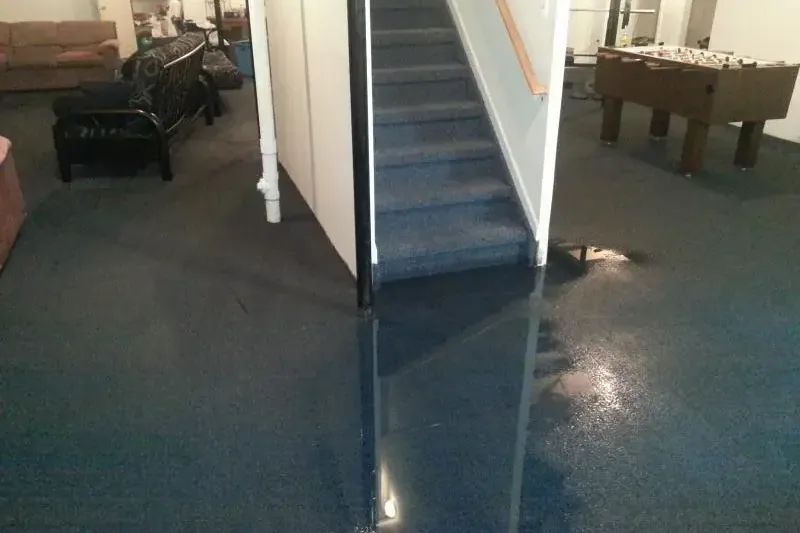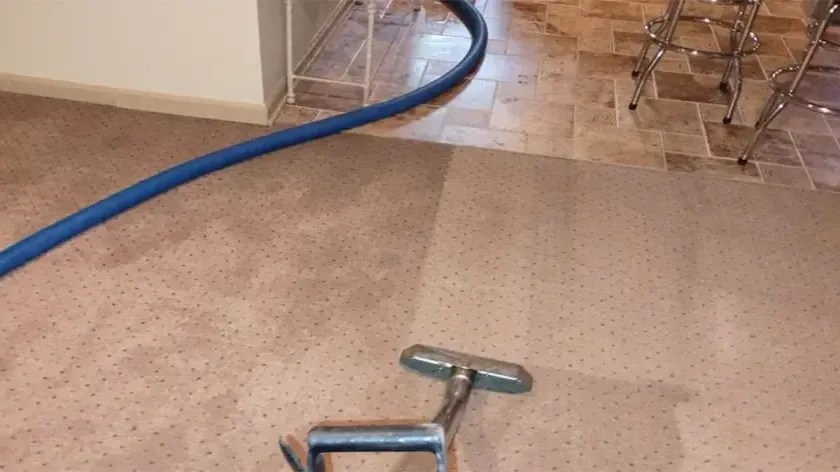
A wet carpet can hold far more water than its surface suggests. Extraction draws recoverable liquid out of the room, but the inspection also follows moisture under transitions and toward wall bases. In Happy Valley, where 78.5% of occupied housing was owner occupied in 2020, direct authorization and a clear room inventory help organize that work.
Follow the edge of the water
The deepest puddle is an obvious starting point. Its shallow edges deserve attention too. Water may pass beneath a door, collect under furniture or soak a carpet pad outside the first visible stain. A technician checks those transitions before deciding which surfaces can be extracted and which materials require removal.
- Inspect carpet seams and the underside of accessible floor coverings.
- Record wall bases that were in contact with pooled liquid.
- Keep recovered water and wet contents away from clean walking routes.
- Identify floor changes that prevent equipment from reaching trapped water.
Plan entry before moving equipment
Mount Scott is the city's highest point, and Scouters Mountain is another prominent local landmark. At an individual property, the practical concerns are the actual doorway, affected level and available working space. A residence bordering Sunnyside needs the same detailed access description as any other job, including occupants who may need a dry route through the building.
Extraction tools are selected for the material and the water condition. A hard floor, carpet and a recessed area can require different recovery methods. Excessive manipulation of fragile flooring can add damage, so lifting or removing finishes should follow inspection rather than a blanket approach.
Separate liquid recovery from material drying
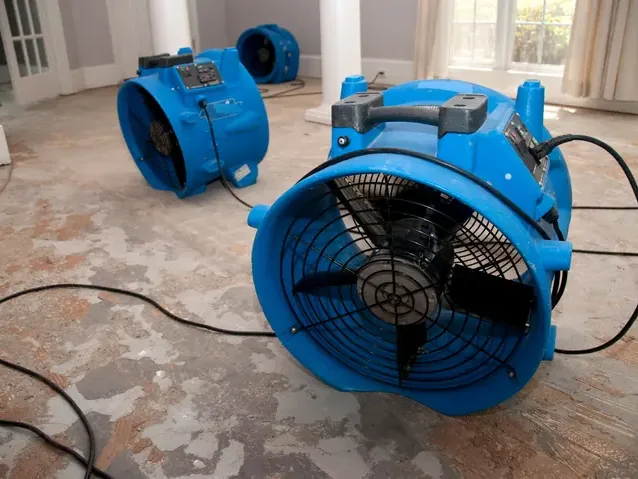
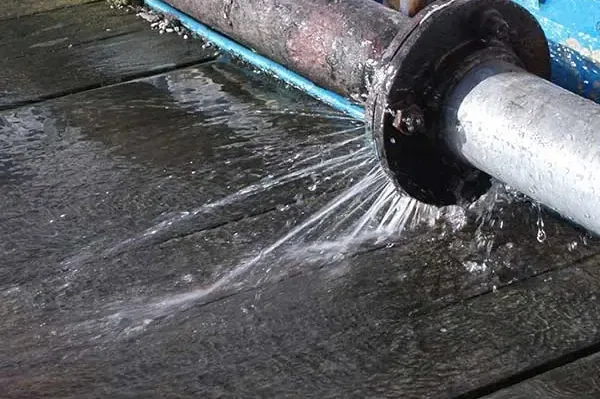
Removing the puddle reduces the load on drying equipment. It does not finish the work inside damp wood, wallboard or enclosed layers. Measured structural drying addresses that remaining moisture. If a supply break started the loss, pipe release cleanup also considers water spread around the repaired plumbing.
Final extraction notes should identify areas that remain wet, any material removed and the next checks needed before replacement finishes are considered.