West Linn Water Damage RestorationWater extraction and structural drying
After the liquid is removed

Structural Drying in Happy Valley

A room can lose its puddle while the building still holds absorbed water. Structural drying in Happy Valley focuses on retained materials, with moisture measurements showing where equipment is needed and when the plan should change.

(888) 373-8814Assess the material drying needs
  • Measured moisture progress
  • Targeted equipment placement
  • Repair readiness record
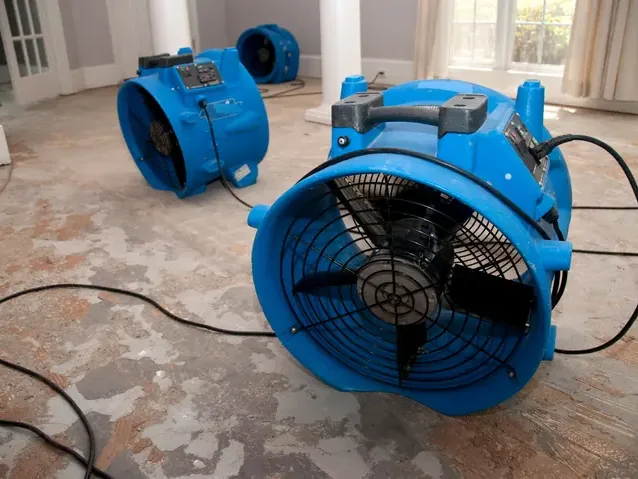
Air movers and dehumidification equipment arranged to dry a room
Starting conditionRetained materials remain wet
Equipment purposeRemove absorbed building moisture
Progress measureRepeated material moisture readings
Completion decisionDocumented readiness for repair
First steps

What to do before structural drying

  1. Keep the source corrected. Drying cannot stay on course while fresh water continues entering. Share the completed repair details and report new stains or puddles promptly during the drying period.
  2. Leave equipment arrangements intact. Moving or switching off equipment can change treatment of the wet materials. Discuss noise, access or household needs so any adjustment can preserve the purpose of the drying setup.
  3. Maintain access to test locations. Keep stored belongings away from the affected walls and floor sections. Repeat measurements need access to the same materials so changes can be compared meaningfully over time.
  4. Ask for the repair handoff. Request the moisture record and description of retained assemblies before arranging replacement finishes. The next contractor needs to understand what was dried and what access remains open.

Structural Drying assessment

Establish material baselines
Inspection identifies retained wet surfaces and records their starting readings. Access limitations are noted so untested concealed areas are included in the plan for further assessment.
Set a purposeful equipment layout
Air movement and dehumidification are arranged around the wet materials. Safe circulation and power use remain part of the setup, especially within an occupied home.
Compare progress and adapt
Repeat measurements show which areas are responding and which remain damp. Equipment or access can be adjusted to address the retained moisture rather than leaving the arrangement unchanged.
Document the transition to repair
The completion record identifies the assemblies assessed and their condition. Replacement finish requirements are communicated so reconstruction begins with a clear understanding of the dried surfaces.
How the work proceeds

How structural drying is handled

  1. 1

    Establish material baselines

    Inspection identifies retained wet surfaces and records their starting readings. Access limitations are noted so untested concealed areas are included in the plan for further assessment.

  2. 2

    Set a purposeful equipment layout

    Air movement and dehumidification are arranged around the wet materials. Safe circulation and power use remain part of the setup, especially within an occupied home.

  3. 3

    Compare progress and adapt

    Repeat measurements show which areas are responding and which remain damp. Equipment or access can be adjusted to address the retained moisture rather than leaving the arrangement unchanged.

  4. 4

    Document the transition to repair

    The completion record identifies the assemblies assessed and their condition. Replacement finish requirements are communicated so reconstruction begins with a clear understanding of the dried surfaces.

Planning the work

What does structural drying cost in Happy Valley, OR?

Structural drying costs in Happy Valley reflect the amount of retained wet material, access difficulty and equipment required. The scope should explain measurement visits, selected openings and the conditions that would change the planned drying arrangement.

Open, limited wet area

$1,000 to $2,000
  • Accessible retained surfaces
  • Focused equipment placement
  • Basic progress readings

Several affected assemblies

$2,000 to $3,800
  • Multiple material types
  • Broader moisture mapping
  • Adjusted airflow arrangement

Dense or concealed layers

$3,800 to $5,500+
  • Restricted cavity access
  • Layered floor assessment
  • Detailed drying verification

The scope reflects water category, affected area, material class and the delay before drying. water damage cost calculator.

Drying is a material problem as much as a room air problem. A floor surface can feel dry while its underlayer or an adjoining wall base remains damp. Structural drying in Happy Valley starts by identifying the retained wet assembly and providing enough access for both treatment and repeat measurements.

Define what will remain in the building

Damaged or contaminated materials may need removal before drying proceeds. The remaining framing, floor layers or wall surfaces need a clear target and a record of their initial condition. The plan should explain why each opening or equipment placement serves those materials rather than merely filling the room with machines.

Owner occupied housing represented 78.5% of occupied units in the 2020 census. For a household coordinating the work directly, written progress notes help explain why equipment remains after the visible spill is gone. In rented space, the same notes support communication with the responsible property representative.

Match access to the wet assembly

Mount Scott, Scouters Mountain and Southeast Honorable Way are recognizable references around the city. At the job itself, drying access depends on the room layout: enclosed cabinets, narrow cavities and layered floors can slow access to moisture. The inspection should identify those constraints before choosing a drying arrangement.

  • Measure materials at consistent locations to compare their response.
  • Keep equipment positioned for the surfaces it is intended to dry.
  • Assess cavities that stay damp while exposed room surfaces improve.
  • Record changes in access, removal or equipment during the project.

Use results to shape the next step

Standing water extraction precedes drying where liquid remains. A concealed underfloor release may also require slab leak material assessment before the retained layers can be treated. Equipment adjustments should respond to measurements and observed conditions rather than a fixed calendar alone.

Before reconstruction, the record should identify the surfaces checked and the remaining work, if any. An installer may need additional material specific testing for a new finish. Keeping those responsibilities clear supports a practical handoff from moisture removal to replacement flooring or wall repairs.
Service area

Structural drying coverage

Happy Valley's 2020 housing figures included owner occupied and rented homes. A drying plan should identify the person authorizing work, the occupant's access needs and who receives progress records before equipment is adjusted or material openings are closed.

The same service nearby: structural drying in West Linn, Lake Oswego, Canby.

Water damage restoration in Happy Valley · every town covered
Questions

Structural Drying questions

01Why is equipment needed after extraction?

Extraction removes recoverable liquid. Absorbent materials can still hold moisture inside their layers after that liquid is gone. Drying equipment and access address that retained water, with measurements used to track the condition of the affected assembly.

02Can windows replace dehumidification equipment?

Outdoor conditions and the building layout affect what open windows do to indoor moisture. A drying plan should control the working environment and follow material readings. Changes to ventilation should be discussed before altering the established equipment arrangement.

03How is progress measured inside a wall?

Appropriate instruments and access are used for the materials present. Some cavities need selected openings to evaluate or treat retained moisture. The record should identify what was measured and where access was needed beyond the painted wall surface.

04Can a tenant switch equipment off overnight?

Equipment changes should be discussed with the cleanup contact and responsible property representative. Noise or access concerns deserve a practical adjustment, but unplanned shutdowns can interrupt treatment and change how the affected materials respond during the drying period.

05Does every material dry at the same pace?

Different assemblies retain and release moisture differently. Exposed framing and layered flooring may require different approaches. Repeat measurements help identify those differences and support targeted changes in access or equipment as drying proceeds through the affected building.

06What proves readiness for replacement flooring?

The drying record describes the retained substrate's measured condition. The flooring installer also needs to apply the requirements of the selected finish and adhesive. Coordination between those checks helps prevent a new covering from enclosing unresolved moisture below it.

24/7 water restoration

Know what remains before closing the room

Measured progress helps connect the wet assembly with the right next step for drying, access or finish replacement.

(888) 373-8814Wet rooms? Call