West Linn Water Damage RestorationWater extraction and structural drying
Sewage inside the property

Sewage Backup Cleanup in Happy Valley

Wastewater across a bathroom or lower floor needs separation from the household immediately. Happy Valley sewage cleanup focuses on controlled access, contaminated material decisions and cleaning before retained structural surfaces are dried.

(888) 373-8814Discuss the wastewater affected rooms
  • Restricted room access
  • Controlled material handling
  • Cleaning before drying
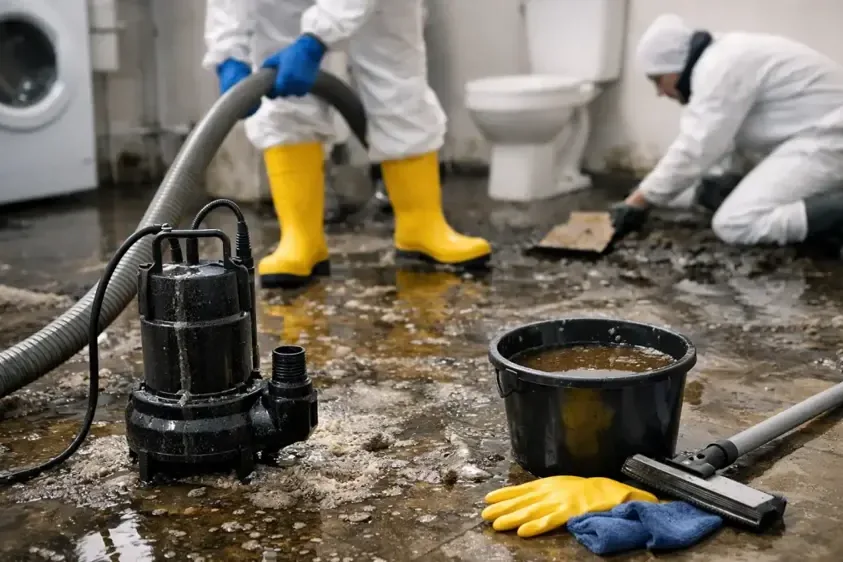
Protective-clothed workers cleaning contaminated water around bathroom fixtures
Immediate boundaryKeep occupants outside contamination
Source taskAssess the backing up drain
Material decisionSeparate porous and hard surfaces
Work sequenceRemove clean then dry
First steps

What to do before sewage backup cleanup

  1. Restrict the contaminated area. Keep household members and pets out of rooms touched by wastewater. Do not carry rugs, towels or footwear from those rooms into unaffected living space.
  2. Limit further fixture use. Report the backup to the appropriate plumbing professional and follow instructions about fixture use. Additional discharge can worsen the release while the drain problem remains unresolved.
  3. Photograph without entering sewage. Capture visible damage only from a safe, uncontaminated position. An inventory helps explain disposal decisions without requiring occupants to touch affected belongings or finishes.
  4. Describe a removal route. Explain doors, stairs and occupied areas between the affected room and exterior access. Controlled handling needs a practical path that protects the clean parts of the property.

Sewage Backup Cleanup assessment

Set the contamination boundary
Inspection identifies wastewater contact and safe access limits. The source professional's findings inform the plan to prevent additional discharge while affected materials are handled.
Remove wastewater and unsuitable items
Recovery and controlled disposal address liquid, debris and affected porous materials. The removal route separates these tasks from the clean occupied portions of the property.
Clean exposed retained surfaces
Suitable hard surfaces are cleaned after contaminated material is removed. Access behind finishes is assessed so the work reaches affected areas beneath coverings and at wall bases.
Dry and document the assembly
Drying begins on the prepared retained materials. Records distinguish cleaning, disposal and moisture results, with remaining source or finish repairs clearly identified before the room returns to use.
How the work proceeds

How sewage backup cleanup is handled

  1. 1

    Set the contamination boundary

    Inspection identifies wastewater contact and safe access limits. The source professional's findings inform the plan to prevent additional discharge while affected materials are handled.

  2. 2

    Remove wastewater and unsuitable items

    Recovery and controlled disposal address liquid, debris and affected porous materials. The removal route separates these tasks from the clean occupied portions of the property.

  3. 3

    Clean exposed retained surfaces

    Suitable hard surfaces are cleaned after contaminated material is removed. Access behind finishes is assessed so the work reaches affected areas beneath coverings and at wall bases.

  4. 4

    Dry and document the assembly

    Drying begins on the prepared retained materials. Records distinguish cleaning, disposal and moisture results, with remaining source or finish repairs clearly identified before the room returns to use.

Planning the work

What does sewage backup cleanup cost in Happy Valley, OR?

Happy Valley sewage cleanup costs reflect contaminated finishes, contents handling and access for cleaning. The estimate should separate drain repair from wastewater recovery, material disposal and drying of the suitable retained structural surfaces.

Contained fixture area

$1,500 to $3,000
  • Limited contamination boundary
  • Accessible hard surfaces
  • Focused waste handling

Several contaminated materials

$3,000 to $5,500
  • Porous finish removal
  • Expanded cleaning access
  • Affected contents inventory

Extensive affected space

$5,500 to $8,000+
  • Broad controlled removal
  • Concealed surface cleaning
  • Complex drying preparation

The scope reflects water category, affected area, material class and the delay before drying. water damage cost calculator.

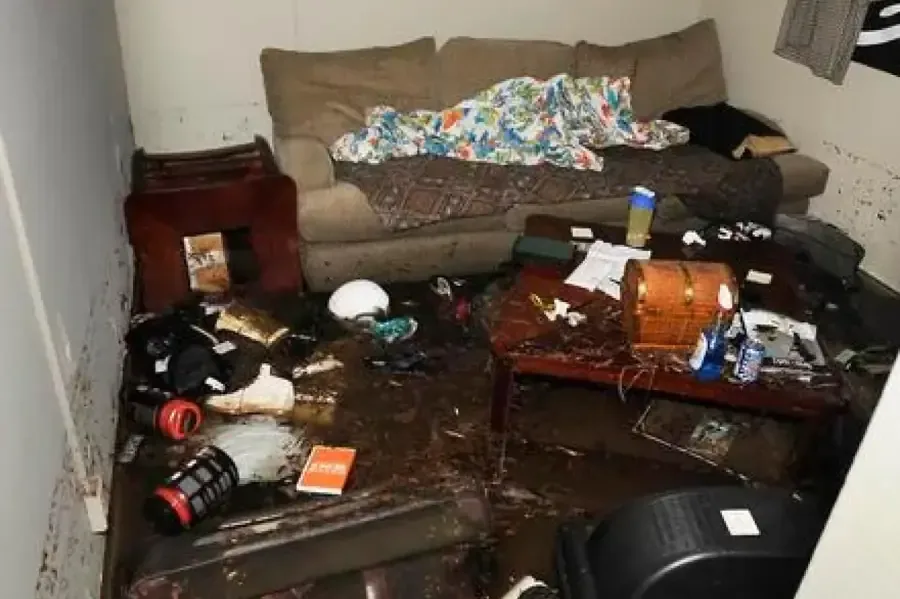
A sewage backup changes how a room can be used and how materials should be handled. Wet towels, rugs and footwear can transfer contamination beyond the original area. Happy Valley cleanup should establish a controlled boundary early, then evaluate wastewater contact across flooring, lower walls, contents and any concealed spaces reached by the backup.

Keep the affected route separate

Occupants and pets should stay out of contaminated rooms. Removal planning needs a route for waste and damaged items that limits contact with clean spaces. The plumbing source also needs attention so additional wastewater does not enter while cleaning is underway. Describe the affected fixture and any continued rise without walking into the water.

The city borders Pleasant Valley and Sunnyside, and Scouters Mountain is a prominent feature above the community. For an affected building, the cleanup boundary is defined by wastewater contact inside the property. The actual drain opening, room layout and accessible material surfaces determine the work.

Make material decisions before drying

Absorbent finishes and contents that take up sewage may not be suitable to retain. Hard surfaces require appropriate cleaning after contamination and debris are removed. The estimate should identify disposal decisions and the access needed to reach structural surfaces beneath flooring or behind lower wall finishes.

  • Document contaminated porous items before their planned removal.
  • Inspect wall bases where wastewater remained against absorbent material.
  • Check whether contamination passed beneath floor coverings or thresholds.
  • Keep cleaning tools and affected belongings within the controlled work route.

Inspect the cleaned assembly before closure

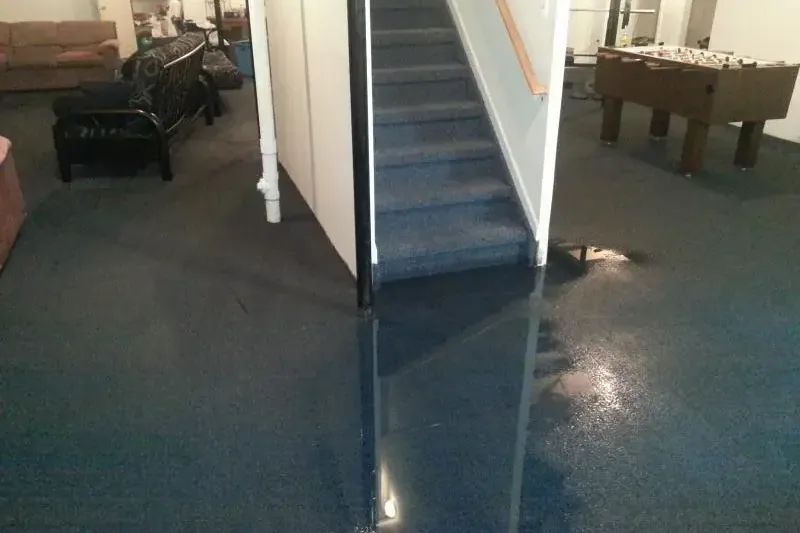
Air movement across contaminated finishes can spread material through the room. Drying follows controlled removal and cleaning of suitable retained surfaces. Structural moisture management then addresses absorbed water, while basement recovery planning may be relevant when wastewater affected an existing lower level.

The work record should distinguish wastewater recovery, removed contents, cleaning and drying. That separation helps the property owner understand the sequence and the remaining repairs. Source correction must also be documented so the cleaned room is not returned to use while the backup continues to threaten the same area.
Service area

Sewage backup cleanup coverage

For sewage cleanup in Happy Valley, identify the fixture or opening where wastewater appeared and which rooms it reached. Report whether the backup continues, and describe a route that avoids carrying contaminated materials through the property's clean occupied areas.

The same service nearby: sewage backup cleanup in West Linn, Lake Oswego, Canby.

Water damage restoration in Happy Valley · every town covered
Questions

Sewage Backup Cleanup questions

01Can a contaminated rug simply be dried?

Drying alone does not remove sewage contamination. A porous rug needs assessment of its material and exposure, and disposal may be necessary. Keep it within the affected area until a controlled handling and removal decision has been made.

02Should household fans run in the room?

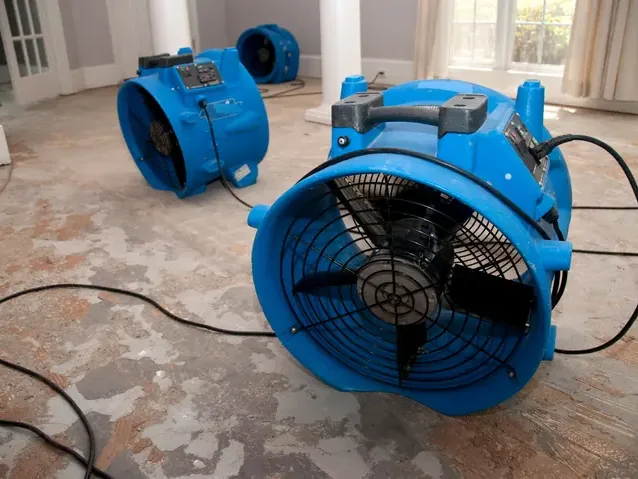
Fans should not circulate air across sewage or contaminated finishes. The work needs controlled removal and cleaning first. Drying equipment can then be selected for the suitable retained surfaces after the contaminated area has been properly addressed.

03Who resolves the backing up drain?

An appropriate plumbing professional investigates and corrects the source. Cleanup manages wastewater already inside the building. Both tasks need coordination so the affected room is not cleaned while continued fixture use or an unresolved obstruction adds more wastewater.

04What if only hard flooring looks wet?

Wastewater can enter joints, wall bases or layers beneath flooring. Inspection establishes that contact before deciding what can remain. Visible hard surfaces alone cannot describe contamination hidden beneath coverings or adjoining trim.

05Can the rest of the house stay occupied?

Occupancy depends on safe separation, contamination and work access. The assessment identifies usable rooms and restrictions. Reaching a clean room must not require crossing sewage or sharing the contaminated removal route.

06What records should accompany finish repair?

The repair handoff should identify removed porous materials, cleaned structural surfaces and drying results. Source correction details also matter. Those records help distinguish completed contamination cleanup from the flooring, wallboard or fixture work still needed before normal use resumes.

24/7 water restoration

Plan the room's safe recovery sequence

A clear scope identifies contaminated materials, suitable retained surfaces and the source work needed before the space returns to ordinary use.

(888) 373-8814Wet rooms? Call