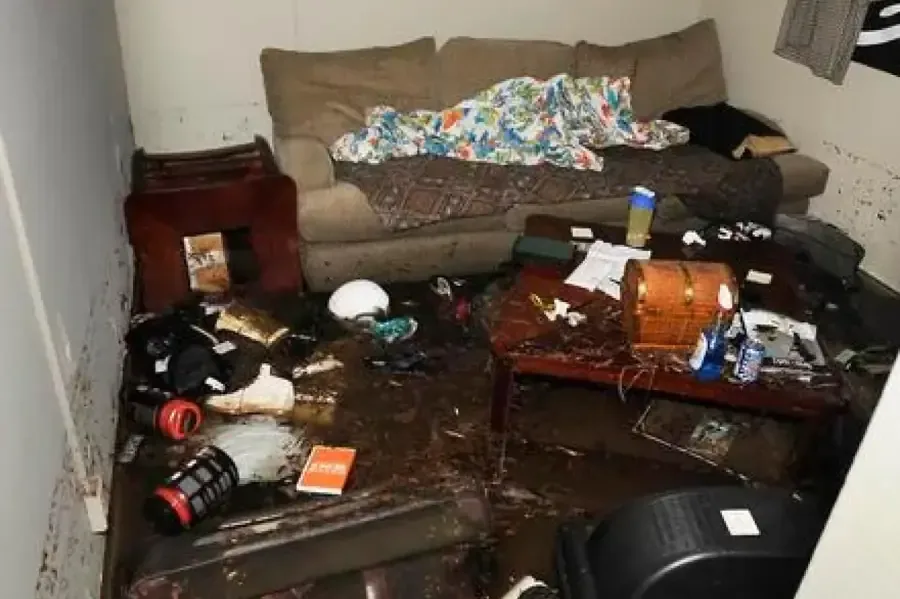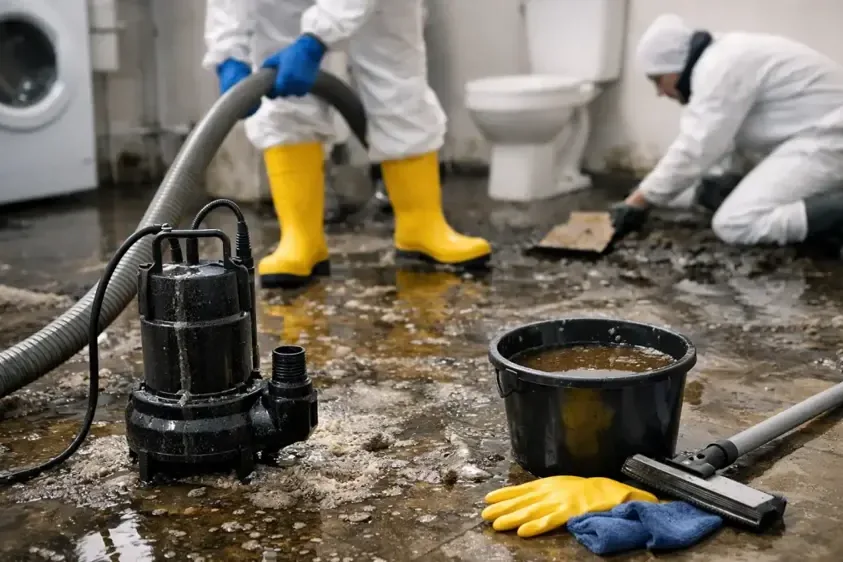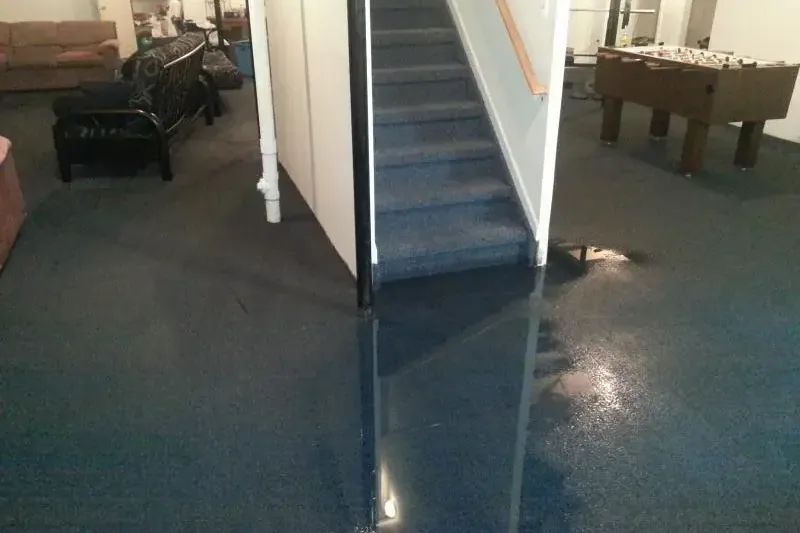
The stair landing offers a useful place to stop and assess what is visible below. A flooded basement should not be entered simply to move stored belongings or switch on a household pump. Lake Oswego basement water removal begins with the water source, electrical conditions and the building's response to the surrounding water.
Local flood history includes affected lower rooms
The February 1996 flooding affected low areas around Oswego Lake and the Oswego canal, with State Street and Foothills also impacted. The local account describes flooded basements and sediment entering canal area homes. A present basement loss needs its own source assessment: outdoor entry, a broken supply and a drain backup call for different cleanup and handling decisions.
That distinction matters before pumping or contents movement begins. The inspection should consider active inflow, water outside the building and any signs of pressure or structural damage. Removal methods and pace should fit the conditions rather than assume every lower room can be emptied in the same way.
Stored contents can conceal the wet boundary
Boxes, shelving and finished partitions can obstruct the view of basement surfaces. Water may collect behind storage or soak the bottom of wall finishes while the center of the floor looks easier to clear. A contents plan creates access without moving contaminated or unstable items through clean living spaces above.
- Check the base of finished walls for absorbed water beyond the visible pool.
- Evaluate carpet and padding separately from the supporting floor beneath them.
- Inspect enclosed storage areas connected to the same wet floor surface.
- Record any appliance or electrical equipment contacted by water before it is used again.
Continue from recovery into material drying
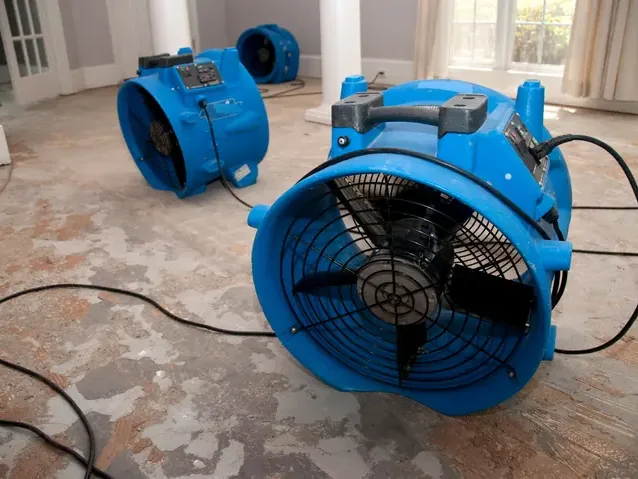
Dirty outdoor water may call for flood cleanup, while a drain release may need sewage backup cleanup. The retained structure should be prepared through appropriate removal and cleaning before drying is introduced.
A basement can remain damp at wall connections and beneath finishes after the visible water is gone. The repair handoff should identify those retained layers, their moisture condition and the rebuilding work still required before storage and ordinary room use resume.