West Linn Water Damage RestorationWater extraction and structural drying
Interior recovery after roof entry

Roof Leak Water Damage in Happy Valley

A repaired roof opening leaves another task inside the home: finding the materials rain already soaked. Happy Valley roof leak cleanup examines attic surfaces, ceiling cavities and connected walls before interior finish repairs cover the water path.

(888) 373-8814Assess the interior rain damage
  • Roof repair handoff
  • Attic material assessment
  • Connected ceiling inspection
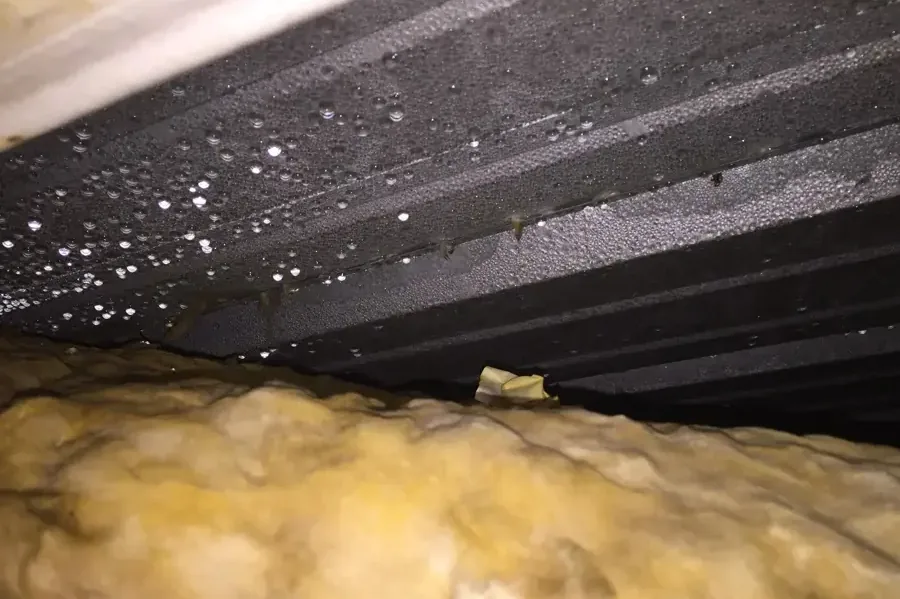
Water droplets beneath roof decking above yellow attic insulation
Outside taskCorrect the roof opening
Inside taskLocate rain soaked materials
Inspection sequenceAttic to occupied rooms
Closure requirementSource repair and drying
First steps

What to do before roof leak water damage

  1. Stay off the wet roof. Arrange roof assessment through an appropriate professional. A climb to locate the opening can create a serious fall hazard and should not be part of household cleanup efforts.
  2. Keep attic entry restricted. Uncertain footing, wet electrical components and damaged finishes can make attic access unsafe. Describe any existing access point without entering a space whose condition has not been assessed.
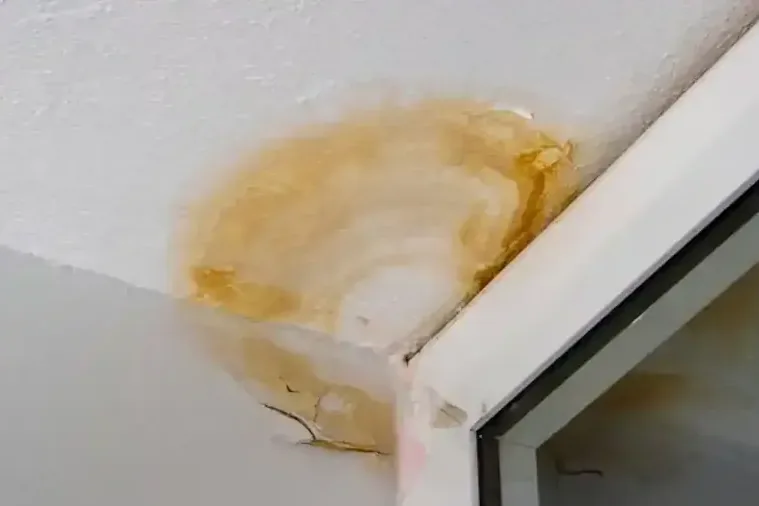
  3. Record the rooms below. Photograph interior staining from safe locations and note its relationship to the accessible roof repair area. Include wall corners and closets where moisture has appeared after rainfall.
  4. Coordinate protection and cleanup. Share the roof professional's findings and any temporary protection already installed. Interior drying needs to account for continued entry before finishes are scheduled for patching or repainting.

Roof Leak Water Damage assessment

Connect roof and room observations
Inspection compares attic conditions with staining below. The record follows water along framing and into insulation so the interior scope reaches beyond the visible ceiling mark.
Coordinate the repaired entry point
Roof work and any temporary protection are documented alongside interior findings. Continued wetting is reported before the drying plan is expected to bring materials toward their target condition.
Expose the retained wet assembly
Unsuitable insulation or unstable finish sections are addressed through controlled removal. Retained materials receive drying access while the occupied room below remains separated from the overhead work.
Check readiness for interior restoration
Measurements support the decision to close cavities after source correction. Photographs and removal notes help the finish contractor understand what will remain behind the repaired ceiling and walls.
How the work proceeds

How roof leak water damage is handled

  1. 1

    Connect roof and room observations

    Inspection compares attic conditions with staining below. The record follows water along framing and into insulation so the interior scope reaches beyond the visible ceiling mark.

  2. 2

    Coordinate the repaired entry point

    Roof work and any temporary protection are documented alongside interior findings. Continued wetting is reported before the drying plan is expected to bring materials toward their target condition.

  3. 3

    Expose the retained wet assembly

    Unsuitable insulation or unstable finish sections are addressed through controlled removal. Retained materials receive drying access while the occupied room below remains separated from the overhead work.

  4. 4

    Check readiness for interior restoration

    Measurements support the decision to close cavities after source correction. Photographs and removal notes help the finish contractor understand what will remain behind the repaired ceiling and walls.

Planning the work

What does roof leak water damage cost in Happy Valley, OR?

Roof leak water damage cleanup in Happy Valley depends on attic access, insulation loss and the number of interior assemblies affected. The scope should separate roof repair from interior removal, drying and replacement of damaged room finishes.

One localized rain path

$1,000 to $2,200
  • Limited ceiling contact
  • Accessible attic inspection
  • Focused interior drying

Attic and ceiling saturation

$2,200 to $4,200
  • Wet insulation removal
  • Controlled ceiling access
  • Exposed framing checks

Multiple interior assemblies

$4,200 to $6,000+
  • Connected wall assessment
  • Several cavity openings
  • Expanded equipment arrangement

The scope reflects water category, affected area, material class and the delay before drying. water damage cost calculator.

Rain can follow a roof member before dripping onto insulation well away from the entry point. That movement can leave a ceiling stain beneath only part of the wet area. Happy Valley roof leak cleanup connects accessible attic observations with the rooms below, then measures the materials that absorbed the water.

Give the roof repair an interior counterpart

A roof professional handles the opening and any safe temporary protection. Interior cleanup should document what happened beneath that opening before wet materials are hidden by finish repair. Sharing the affected room locations and visible water paths helps coordinate the work without treating a successful roof repair as completion of the interior loss.

Scouters Mountain Nature Park has a forested setting, and Lava Dome Trail offers views of Mount Hood. Those familiar landmarks sit within the area's everyday landscape. For a roof leak, the inspection follows the affected home's own roof assembly and accessible interior cavities, noting where rainwater has contacted insulation or framing.

Look for more than an attic puddle

Absorbent insulation can hold water without leaving much liquid on a hard surface. Ceiling board and wall cavities may also be affected. Access decisions should consider unstable finishes and the ability to reach damp materials safely. Occupants should not enter an attic with uncertain footing or disturb a ceiling beneath visible sagging.

  • Document wet insulation below the observed roof water path.
  • Check framing surfaces that carry water toward another part of the ceiling.
  • Inspect wall tops and corners where the overhead stain continues downward.
  • Record any renewed moisture after temporary exterior protection is installed.

Plan the return to finished rooms

Ceiling damage recovery addresses the visible overhead loss, while drying of exposed materials manages retained framing and other suitable surfaces. The cleanup plan should describe insulation removal separately from replacement so the cavity condition remains visible during drying checks.

Before patching begins, the handoff should identify the roof correction, exposed assemblies and moisture results. If further rainfall produces another stain, that change requires attention before closure. A documented inspection provides a stronger basis for reconstruction than relying on a dry painted surface beneath a concealed wet cavity.

Service area

Roof leak water damage coverage

When arranging roof leak cleanup in Happy Valley, describe accessible attic space, stained rooms and any roof protection already completed. Mention restricted openings and overhead instability so the interior assessment can be coordinated with the roof professional's work.

The same service nearby: roof leak water damage in West Linn, Lake Oswego, Canby.

Water damage restoration in Happy Valley · every town covered
Questions

Roof Leak Water Damage questions

01Does a roof patch remove interior moisture?

A patch addresses an entry point. Water already absorbed by insulation, framing or ceiling board still needs assessment. Interior cleanup should establish the remaining wet materials and document drying before those surfaces are enclosed by finish repairs.

02Why is the stain away from the opening?

Water may travel along roof members or other concealed surfaces before it reaches the ceiling. That path can shift the visible stain away from the opening. Inspection should connect both locations and check the materials between them.

03Should wet attic insulation be covered again?

Covering wet insulation can conceal unresolved moisture and obstruct inspection. Its condition should be assessed for removal or treatment. The retained cavity needs drying checks before replacement insulation and room finishes are installed around the affected area.

04Can a homeowner inspect above the stain?

Only safe access should be used, and uncertain attic footing or wet electrical equipment calls for professional assessment. Staying below a sagging ceiling is also unsafe. Describe the location and arrange inspection rather than entering a hazardous overhead space.

05What if a wall corner is wet too?

The wall corner may be part of the same rainwater path. It needs moisture assessment alongside the ceiling, including any concealed insulation. The cleanup scope should explain the connected damage rather than treating the wall as only a paint issue.

06When is painting the final step?

Painting follows source correction, material drying and suitable finish repair. Moisture checks above the stain determine the timing of finish repairs. A repair handoff should include the condition of retained materials and any renewed water entry observed while the cavity remained accessible.

24/7 water restoration

Complete the interior side of roof recovery

A coordinated plan links the corrected roof opening with drying results and a clear handoff for ceiling and wall repair.

(888) 373-8814Wet rooms? Call