A ceiling that drips only during rain still needs inspection after the weather clears. Roof leak cleanup in Lake Oswego follows water through the overhead assembly, while a roofing professional addresses the point of entry. These tasks overlap, but a successful exterior repair leaves a separate question about moisture already inside the building.
Use rainfall timing to connect the damage
Unusually heavy winter rainfall challenges the city's sewer system, and leaves can obstruct storm drains. For water appearing overhead, the useful inspection question is how rainfall reached that particular ceiling. Timing notes, photographs and the condition of accessible interior surfaces help distinguish roof entry from plumbing or equipment wetting above the same room.
A home in Westlake, Palisades or Glenmorrie needs an assessment based on its own roof and interior arrangement. The inspection should trace where water traveled after entry, including framing surfaces that can carry it away from the roof opening before it reaches insulation or wallboard.
Inspect insulation before relying on the room below
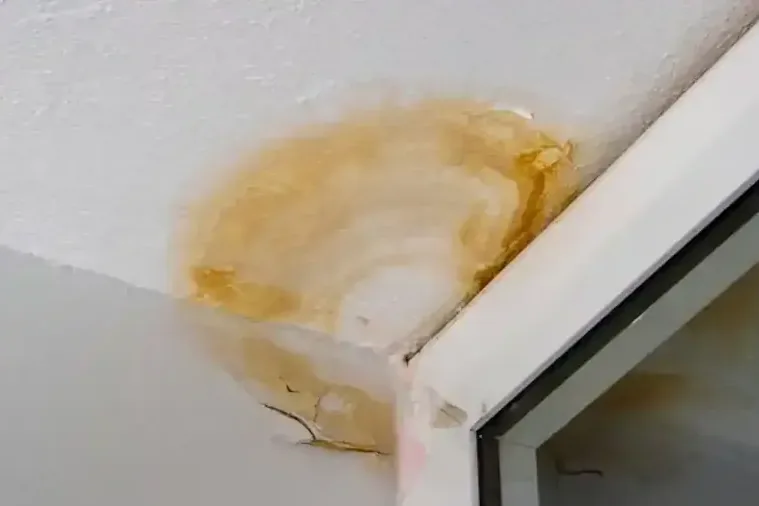
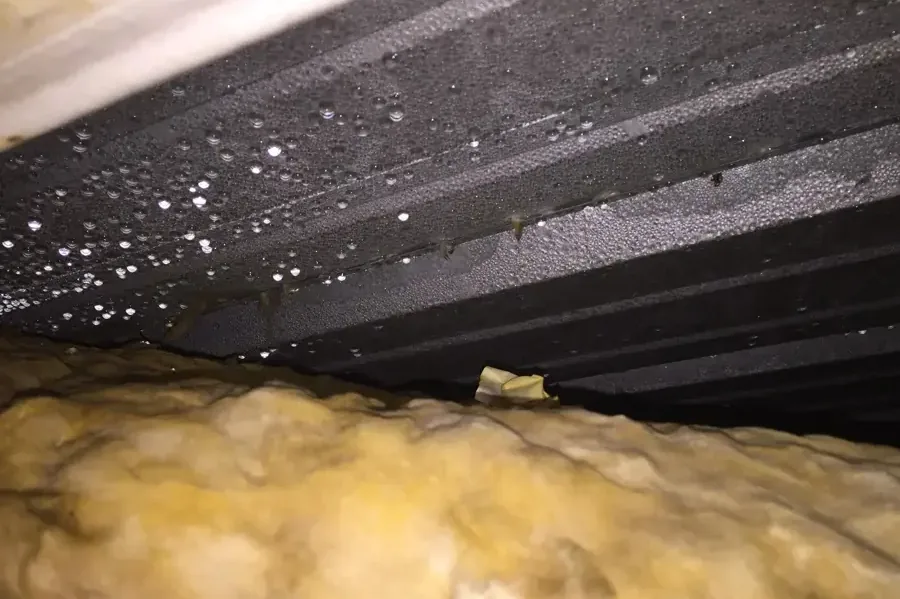
Absorbent overhead layers can delay the appearance of a leak. By the time the ceiling stain becomes visible, wet insulation may cover a broader area than the stain suggests. Access should be planned safely, with attention to unsupported surfaces and the condition of the ceiling beneath. Materials are evaluated for physical damage, contamination and the ability to dry.
- Check adjacent framing where repeated drips have spread beyond the first wet patch.
- Inspect the ceiling perimeter when water has reached the top of a wall.
- Record source protection separately from the interior removal and drying work.
- Keep retained overhead materials accessible until their moisture condition has been assessed.
Hand off a dry assembly for interior repairs
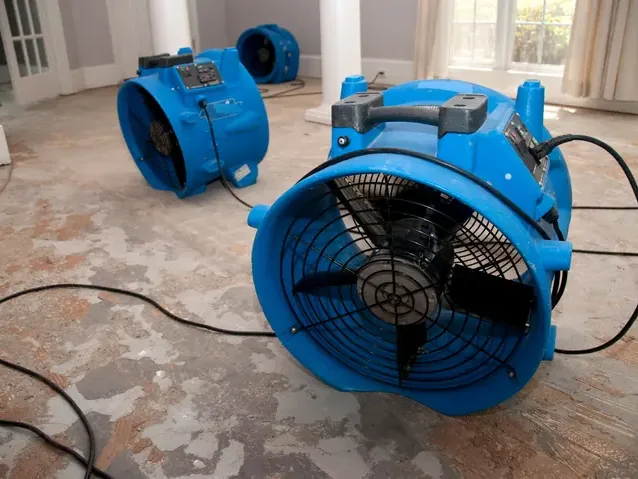
Visible sagging may require ceiling damage cleanup before broader structural drying can proceed. The work should account for all retained layers, rather than ending when the drip stops.
The final scope can identify insulation replacement, ceiling panels and decorative finishes independently from the roofing work. Coordinating those stages helps avoid closing a damp cavity or exposing fresh interior repairs to an unresolved rain entry point.