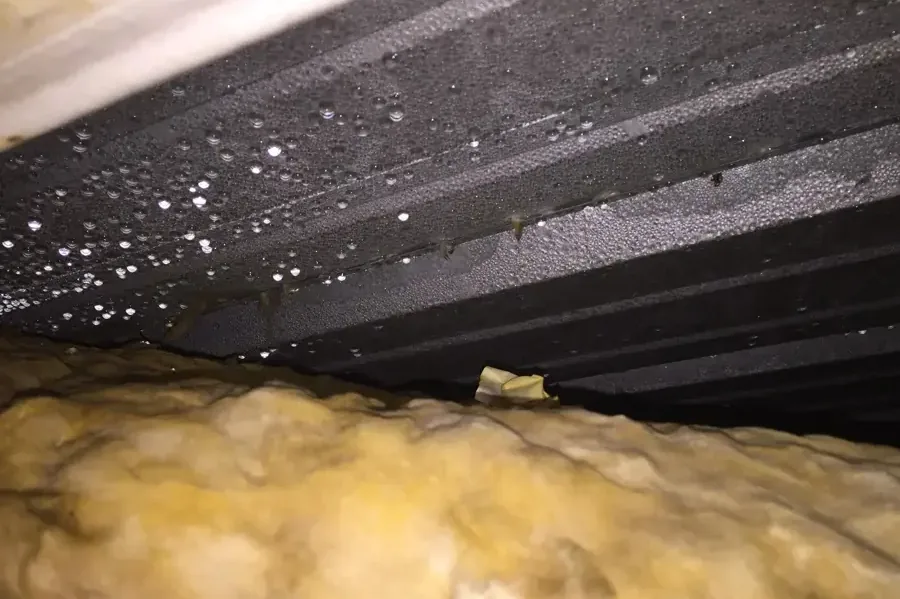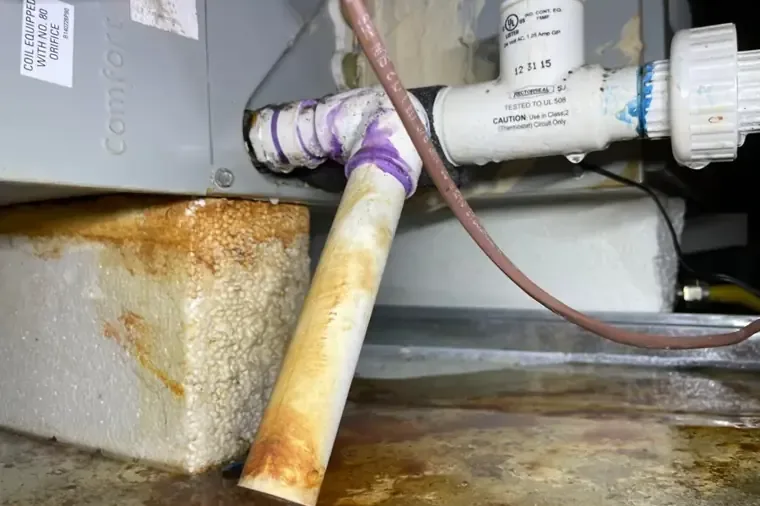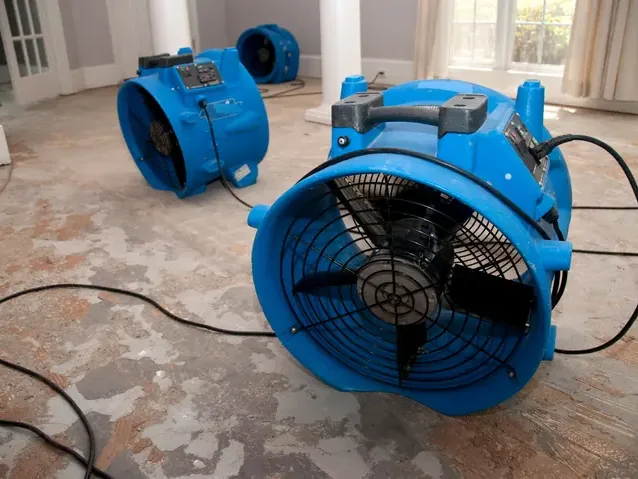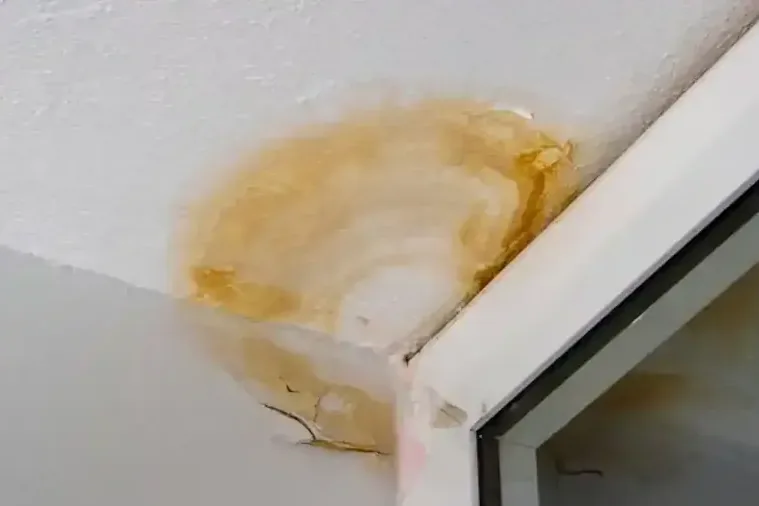
A ceiling stain is a visible endpoint, not a complete picture of the wet assembly. Water may have crossed framing or soaked insulation before reaching the painted surface. In Happy Valley, the assessment should examine both the damaged finish and the space above it while protecting the occupied room below.
Establish the overhead condition first
Sagging, cracking or softened wallboard changes how the area can be approached. Occupants should stay clear rather than pressing on a bulge or making a drainage hole. Controlled access lets a professional assess material stability and plan removal without exposing people or furnishings to falling wet debris.
Happy Valley's growth accelerated in the late 1990s. Mount Scott and Scouters Mountain remain prominent local features, while Sunnyside borders the city. For the ceiling in an individual home, inspection needs the actual room layout above, the source location and any access already available through an unfinished space or repair opening.
Connect the stain to the hidden moisture
A pipe, appliance or roof opening may be responsible for overhead water. Source investigation and moisture mapping should proceed together so the cleanup reaches absorbed water outside the first stain. An adjoining wall may also need inspection when liquid follows framing down into trim or a lower cavity.
- Inspect insulation directly above and around the damaged ceiling area.
- Check nearby fixtures without touching wet electrical parts or switches.
- Record stains that continue onto a wall or window return.
- Identify rooms below any continuing drip before moving dry contents.
Make closure depend on the cavity condition
Interior roof leak cleanup may be relevant when rain entered above the room. For a cooling equipment overflow, condensate damage assessment connects the unit with the affected ceiling. The retained cavity materials need access and drying regardless of which source caused the release.
Finish replacement belongs after the source repair and moisture checks. The work record should describe removed wallboard, insulation decisions and the condition of retained framing. That information makes the transition to patching and painting more reliable than judging completion by the color of the old stain alone.