West Linn Water Damage RestorationWater extraction and structural drying
Rain inside the building

Storm Water Damage in Happy Valley

A damp window return and a ceiling stain can belong to the same rainwater path. Storm cleanup in Happy Valley connects those clues before selecting the interior materials that need access, removal or drying.

(888) 373-8814Trace the rain entry
  • Room by room inspection
  • Entry path documentation
  • Interior drying plan
Workers pumping muddy floodwater from a property beside a recovery truck
Visible clueStains appearing during rain
Inspection pathEntry point through finishes
Repair coordinationStop renewed interior wetting
Cleanup focusExposed and concealed moisture
First steps

What to do before storm water damage

  1. Avoid damaged overhead areas. Keep occupants away from sagging ceilings and falling finish material. A room with a small visible stain may still contain wet insulation above the surface.
  2. Note when entry occurs. Record whether water appears during rainfall or continues afterward. The timing helps distinguish active entry from moisture still draining through the building's concealed spaces.
  3. Request safe source protection. Exterior inspection and protection should be handled without climbing onto a wet roof. Explain any repair already arranged so interior work can be coordinated effectively.
  4. Protect the remaining dry space. Move dry belongings away from the affected boundary where safe. Leave wet heavy items for planned handling so unstable floors and ceilings are not disturbed.

Storm Water Damage assessment

Connect the visible signs
Inspection compares stains, damp surfaces and discovery timing. The wet boundary is measured so the scope follows actual moisture rather than the outline of paint discoloration.
Coordinate entry correction
The cleanup plan accounts for exterior repair and temporary protection. Continued rain entry is communicated before drying equipment is expected to stabilize the affected interior.
Open damaged areas selectively
Unstable or unsalvageable finishes are addressed with controlled access. Retained materials are exposed enough for useful moisture checks and an effective equipment arrangement.
Assess drying before closure
Readings and observations are compared through the drying period. Final documentation should identify the condition of retained assemblies before wallboard, trim or paint is restored.
How the work proceeds

How storm water damage is handled

  1. 1

    Connect the visible signs

    Inspection compares stains, damp surfaces and discovery timing. The wet boundary is measured so the scope follows actual moisture rather than the outline of paint discoloration.

  2. 2

    Coordinate entry correction

    The cleanup plan accounts for exterior repair and temporary protection. Continued rain entry is communicated before drying equipment is expected to stabilize the affected interior.

  3. 3

    Open damaged areas selectively

    Unstable or unsalvageable finishes are addressed with controlled access. Retained materials are exposed enough for useful moisture checks and an effective equipment arrangement.

  4. 4

    Assess drying before closure

    Readings and observations are compared through the drying period. Final documentation should identify the condition of retained assemblies before wallboard, trim or paint is restored.

Planning the work

What does storm water damage cost in Happy Valley, OR?

Storm water cleanup in Happy Valley varies with the number of wet surfaces, concealed access and repeat entry. Estimates should explain interior recovery separately from exterior repairs and the replacement of damaged finish materials.

Localized rain entry

$1,000 to $2,500
  • Small interior path
  • Accessible finish damage
  • Focused drying placement

Several wet surfaces

$2,500 to $5,000
  • Connected room inspection
  • Insulation access needs
  • Expanded material drying

Widespread storm entry

$5,000 to $7,500+
  • Multiple wet assemblies
  • Broader removal work
  • Detailed repair coordination

The scope reflects water category, affected area, material class and the delay before drying. water damage cost calculator.

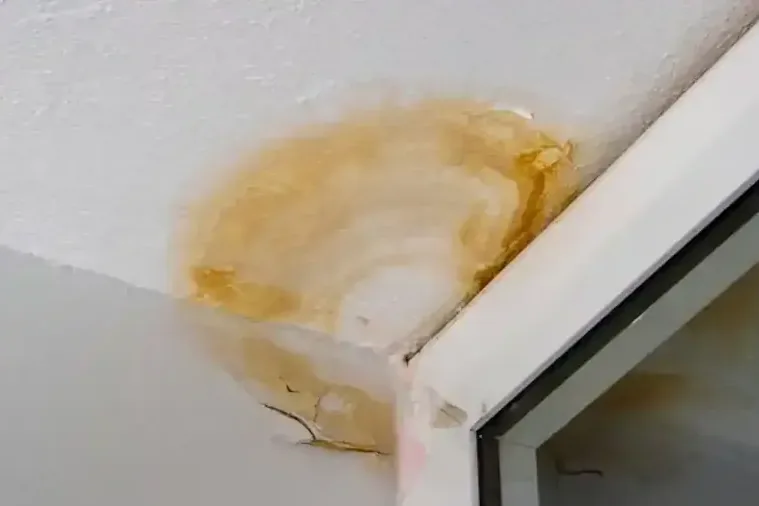
Rainwater rarely leaves a complete map on a painted surface. A stain may mark the point where moisture became visible after traveling behind trim or along framing. For a Happy Valley home, the inspection should connect the timing of rain with the rooms affected, then check the material between those visible clues.

Record the change while it is visible

Photographs of a fresh stain, damp window edge or wet floor can help preserve the pattern before it fades. Record whether the mark grew during rain and whether another room changed at the same time. Those observations support source investigation, while moisture measurements establish which materials remain wet after the weather changes.

Scouters Mountain Nature Park includes a shady forest, and Lava Dome Trail loops around its top. Mount Scott is the city's highest point. Within a damaged building, the relevant water path is the one found through its roof, opening or exterior assembly. Interior cleanup follows that path into insulation, wallboard and flooring.

Distinguish entry repair from interior recovery

Temporary protection or permanent exterior repair belongs with an appropriate building professional. Cleanup addresses water already inside. Both tasks need coordination because new rainfall can wet recently dried material again. Roof entry damage may require attention above the ceiling, while ceiling moisture assessment examines the finishes beneath the leak.

  • Check window returns and nearby wall bases for connected damp areas.
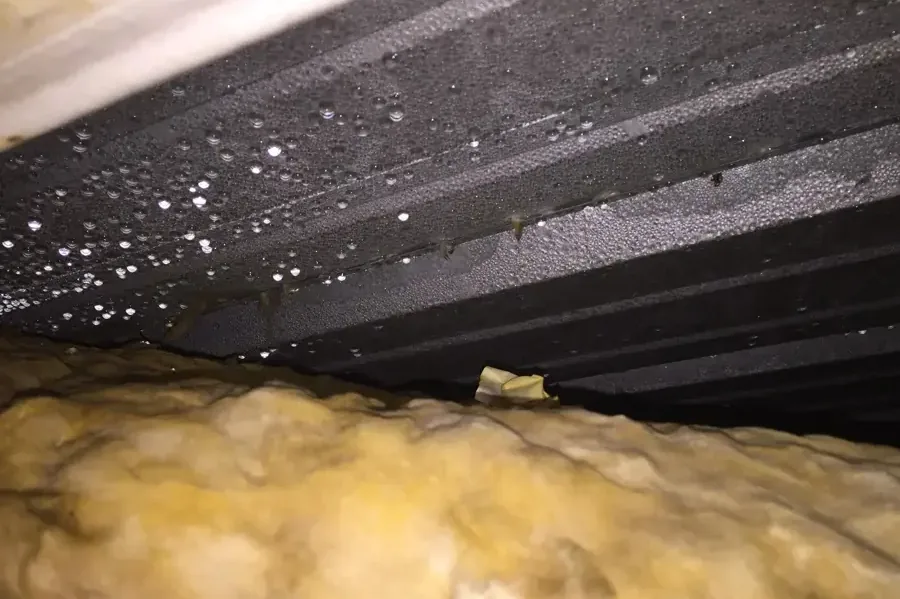
  • Evaluate insulation where water has entered a concealed ceiling cavity.
  • Identify softened finishes before placing equipment beneath the damaged assembly.
  • Keep notes on renewed staining after any temporary source protection.

Dry only after the scope is clear

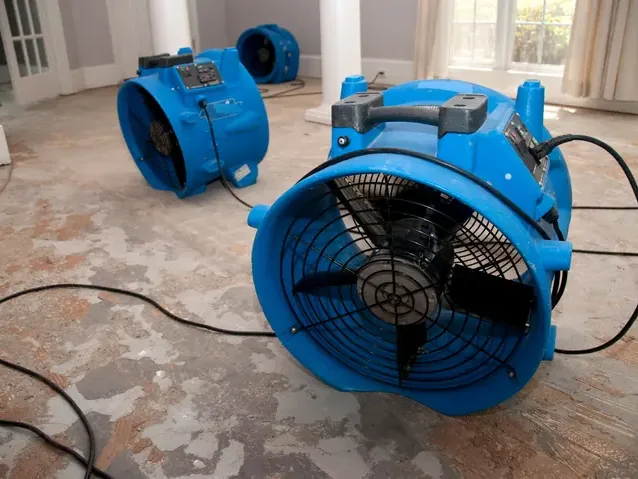
Different surfaces need different access. A painted wall may conceal wet insulation; an exposed framing member may be suitable for direct drying. Material condition and water contamination determine what can remain. Drying equipment should serve the retained wet materials and be adjusted as readings change.

The repair handoff should explain the affected rooms, access openings and moisture results. That record helps keep cosmetic work from covering a cavity that still needs attention.
Service area

Storm water damage coverage

An assessment in Happy Valley should include the rooms affected during rain and whether temporary protection has already been arranged. Describe interior access and any ceiling changes so the inspection can prioritize unstable finishes and newly wet areas.

The same service nearby: storm water damage in West Linn, Lake Oswego, Canby.

Water damage restoration in Happy Valley · every town covered
Questions

Storm Water Damage questions

01Does a rain stain identify the opening?

The visible stain can be away from the exterior opening because water follows framing and other surfaces. Investigation should consider the full path. Drying scope depends on wet materials along that path, including areas without obvious discoloration.

02Can repainting wait until the stain fades?

Moisture checks and source repair should come before repainting, even after a stain fades. The inspection needs to address insulation or framing above the finish and any continuing entry before decoration covers the affected surface again.

03Who handles an opening in the roof?

An appropriate roof professional handles roof repair or protection. Interior cleanup focuses on wet finishes and building materials. Coordination between those tasks helps prevent another rain event from undoing the progress made inside the affected rooms.

04Is wet insulation left in place?

Its condition, contamination and ability to dry determine the decision. Some insulation requires removal to expose the cavity. The scope should explain what was found and how access supports drying of the surrounding retained building materials.

05What if water reaches the floor too?

The floor and lower wall materials need their own assessment, even if the original entry was overhead. Water can collect beneath coverings or cabinets. The inspection should connect those lower areas with the observed rainwater path.

06Should older photographs be kept?

Earlier photographs can show how a stain changed between rain events or after a repair. Keep them with current observations and dates. They help explain recurrence without replacing an inspection of the materials currently wet inside the building.

24/7 water restoration

Get a plan for wet interior surfaces

The next step is a room assessment that coordinates source correction with practical drying and a documented repair handoff.

(888) 373-8814Wet rooms? Call