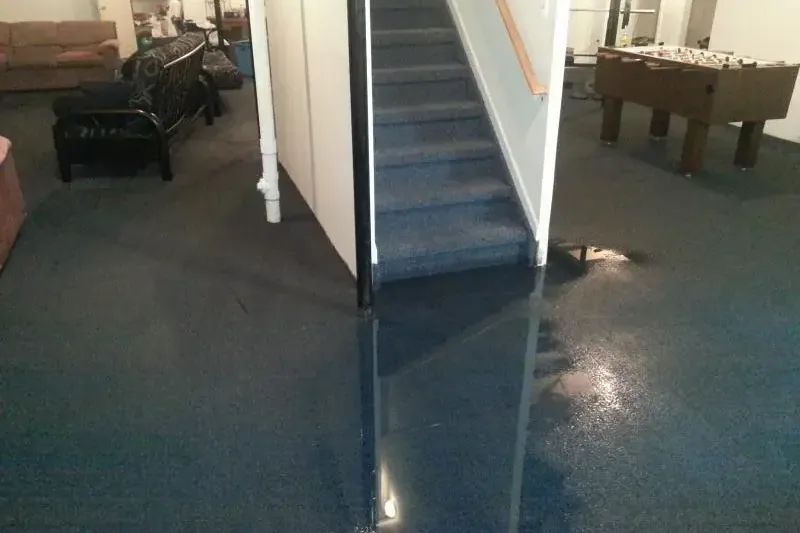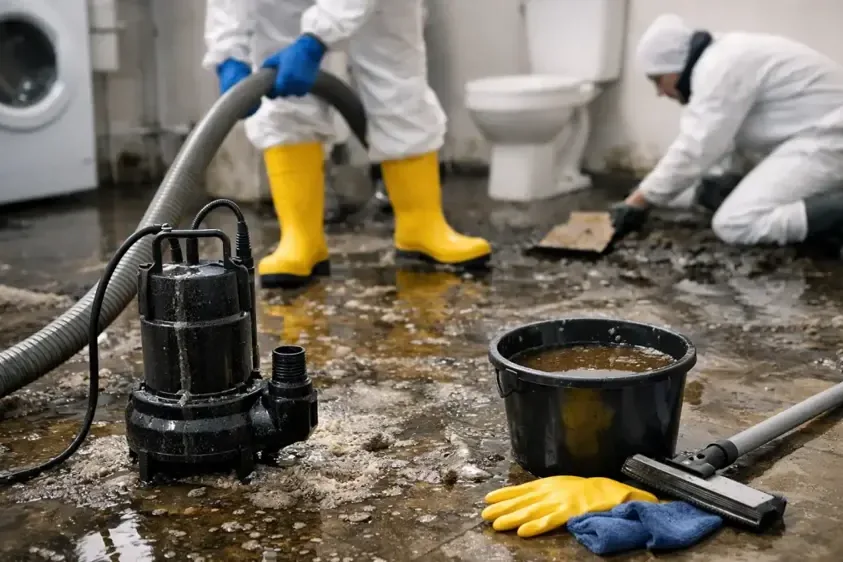
A drain backup should change the way people move through the property. Sewage cleanup in Lake Oswego begins by keeping occupants away from the affected surfaces and avoiding contact that can carry contamination into clean rooms. The size of the puddle alone does not determine the scope because absorbent finishes can retain contaminated water.
Rainfall and the local sewer response
The city reports that unusually heavy winter rainfall challenges the sewer system and maintains an Overflow Response Plan. Access around potential overflow areas is restricted. A large uncontained spill can reach lake or canal waters, including the connected setting around Oswego Lake and the Oswego canal. A household backup still needs an individual drain assessment to establish its source and stop further discharge.
Stormwater and sewer systems are separate. That distinction helps frame the initial description: water rising through a fixture presents a different cleanup concern from runoff crossing a doorway. Drain service and interior restoration should share a clear account of what occurred.
Contain the work and evaluate porous finishes
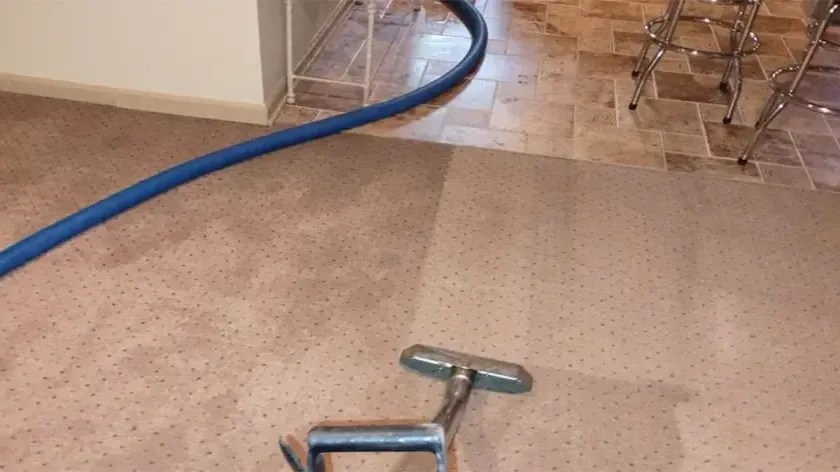
Carpet, padding and other absorbent layers can hold contaminated water below their visible surfaces. The inspection should identify direct contact and possible spread along connected flooring. Handling routes need planning before wet items are carried through the home, and retained hard surfaces require appropriate cleaning after gross contamination is removed.
- Keep footwear and belongings from the affected room away from clean living spaces.
- Document contaminated contents before necessary disposal, using photographs from a safe position.
- Inspect lower wall edges when drain water has spread outside the fixture area.
- Coordinate drain correction before repeated backup adds water to the same cleaned surfaces.
Introduce drying after the area is prepared
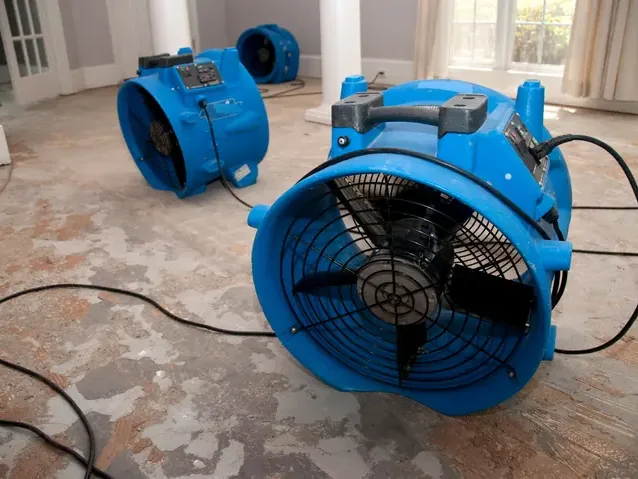
A sewage release requires controlled removal and cleaning alongside water extraction. Removal and cleaning decisions come first, followed by structural drying for the surfaces that can remain.
The repair handoff should record which materials were removed, which were cleaned and what retained layers required drying. Those distinctions give the owner a useful account of the work beyond a room that simply looks washed.