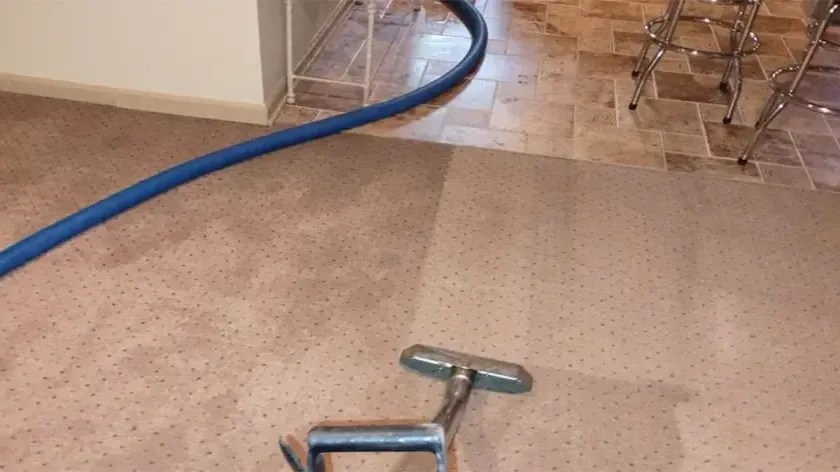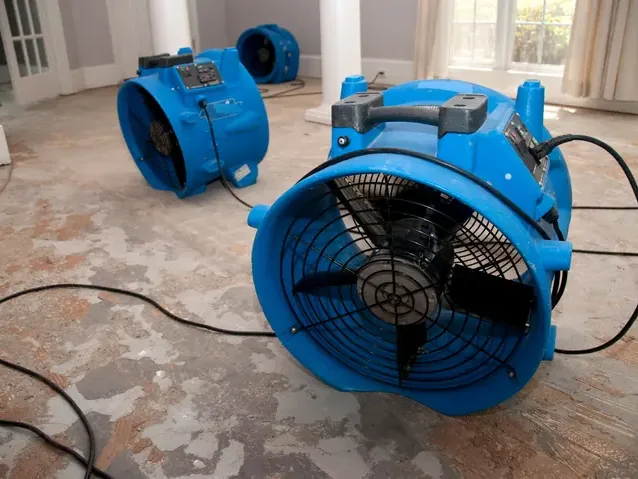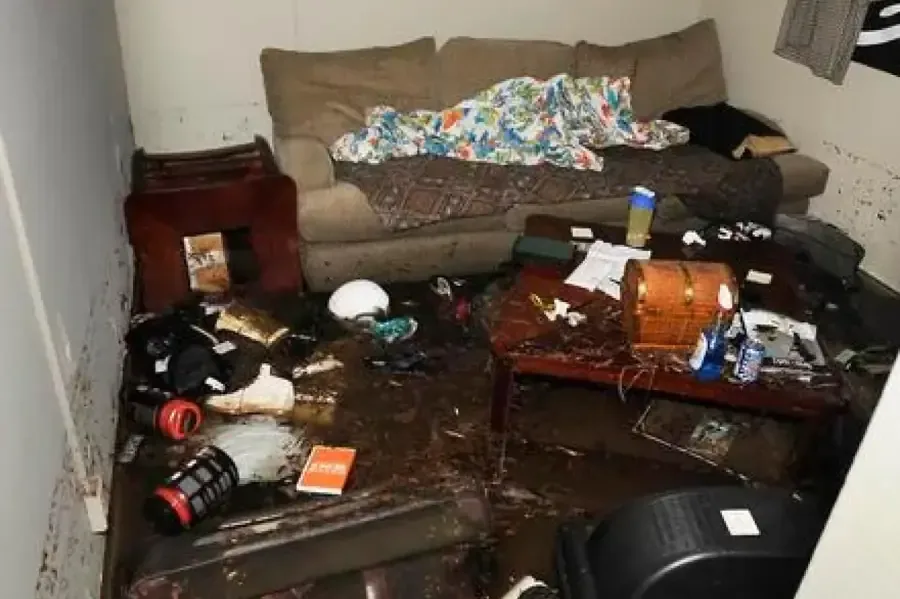
A layer of silt beneath a sofa changes the job from simple water pickup to a room by room cleanup. Lake Oswego flood damage restoration needs to account for what the water carried, where it settled and which absorbent materials remained in contact with it.
A documented flood left more than wet floors
Rainfall and snowmelt contributed to the February 1996 flooding around Oswego Lake and the Oswego canal. State Street and Foothills were also affected. Mud and sediment entered canal area homes during that event. For a current loss, the inspection should trace the actual water path through the property and identify deposits behind furniture, below cabinets and inside exposed floor assemblies.
Sort materials before moving them through the house
Wet rugs, upholstered items and storage boxes should not be carried through unaffected rooms without a handling plan. Contaminated absorbent materials can spread residue along that route. Salvage decisions depend on the item, the water source and the ability to clean and dry it thoroughly. Photographs and a contents list preserve useful details before necessary disposal.
- Separate the affected work area from rooms that remained clean and dry.
- Inspect lower wall layers where dirty water contacted porous building finishes.
- Remove deposited grit before it becomes concealed beneath replacement floor materials.
Clean surfaces before closing the assembly
Water extraction creates access for closer inspection, but extraction alone does not remove every deposit. Retained structural surfaces need appropriate cleaning before equipment supports evaporation. Dense floor layers and enclosed framing can require a different drying arrangement from exposed wall studs.
The final scope should distinguish cleanup from rebuilding. A moisture assessment underpins structural drying and helps identify when retained materials are ready for the next contractor. Replacing trim over damp framing can hide unfinished work even when the room appears improved.