West Linn Water Damage RestorationWater extraction and structural drying
After a pressurized release

Burst Pipe Cleanup in Lake Oswego

A split supply pipe can send water through several connected surfaces before the valve closes. Burst pipe cleanup begins with safe source isolation and follows the release through wall cavities, floor coverings and any rooms below.

(888) 373-8814Explain the pipe release
  • Supply isolation first
  • Connected room inspection
  • Hidden cavity drying
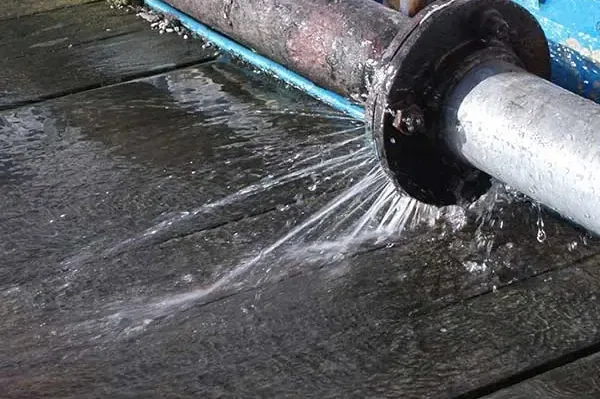
Water spraying from a split pipe joint onto a wet floor
Immediate priorityIsolate the active supply
Damage patternWater through connected assemblies
Inspection focusCavities beyond the break
Repair sequenceDry before closing walls
First steps

What to do before burst pipe cleanup

  1. Locate a safe shutoff. The water supply should be isolated only from a dry, accessible position. If the valve route is unsafe or uncertain, the appropriate professional should handle source control.
  2. Avoid overhead wetting. Water escaping through a ceiling can weaken finishes and reach electrical fixtures. Occupants should stay out of the fall area and avoid touching switches near visible moisture.
  3. Record rooms along the path. Notes about the first wet surface, connected doorways and any dripping below the break help the inspection reconstruct where the pressurized release traveled before it was stopped.
  4. Keep repair openings accessible. The plumbing access area should remain available for material checks, allowing cleanup and repair decisions to account for wet insulation and framing beyond the failed pipe connection.

Burst Pipe Cleanup assessment

Confirm that active flow is controlled
The source status is established before recovery work expands, and the visible path is documented so the inspection can follow water into adjoining building materials.
Extract and expose the wet boundaries
Accessible water is recovered while readings identify saturated finishes. Necessary removal creates access where intact coverings would otherwise conceal the full spread of the pipe release.
Dry the retained connected assemblies
Air movement and moisture removal are arranged around the remaining wall and floor materials, with particular attention to cavities shared by rooms on either side.
Prepare a documented repair handoff
Final notes identify drying conditions, replacement finishes and remaining source work. Those records separate the building restoration from the completed plumbing repair.
How the work proceeds

How burst pipe cleanup is handled

  1. 1

    Confirm that active flow is controlled

    The source status is established before recovery work expands, and the visible path is documented so the inspection can follow water into adjoining building materials.

  2. 2

    Extract and expose the wet boundaries

    Accessible water is recovered while readings identify saturated finishes. Necessary removal creates access where intact coverings would otherwise conceal the full spread of the pipe release.

  3. 3

    Dry the retained connected assemblies

    Air movement and moisture removal are arranged around the remaining wall and floor materials, with particular attention to cavities shared by rooms on either side.

  4. 4

    Prepare a documented repair handoff

    Final notes identify drying conditions, replacement finishes and remaining source work. Those records separate the building restoration from the completed plumbing repair.

Planning the work

What does burst pipe cleanup cost in Lake Oswego, OR?

Burst pipe cleanup costs in Lake Oswego depend on the release path and the time water had to enter concealed materials. Access, saturated insulation and connected floor damage can matter more than the size of the broken component.

Quickly isolated release

$1,000 to $2,500
  • Localized water recovery
  • Accessible wet finishes
  • Limited cavity exposure

Wall or floor spread

$2,500 to $4,500
  • Connected assembly checks
  • Selective material removal
  • Broader drying arrangement

Multi-level saturation

$4,500 to $6,500+
  • Overhead water pathways
  • Several damaged layers
  • Expanded monitoring scope

The scope reflects water category, affected area, material class and the delay before drying. water damage cost calculator.

The sound of running water inside a wall can precede a visible pool. Once a supply pipe breaks, the cleanup boundary may extend well beyond the fitting that failed. Lake Oswego burst pipe cleanup follows that broader route after an accessible shutoff or professional source control stops the pressurized release.

A plumbing repair exposes only part of the loss

The city identifies dripping faucets, worn toilet flappers and faulty irrigation among household leak sources. A ruptured indoor supply needs a focused plumbing response and an equally deliberate inspection of the building. In Lakewood, Uplands or Palisades, the room layout and pipe access determine where water could have traveled. The assessment should map those pathways through the actual property.

A small plumbing opening may reveal a much larger wet cavity. Water can follow framing downward, cross a floor transition or collect behind a cabinet base before escaping into view. The cleanup scope should distinguish the repaired component from the insulation and finishes it wetted.

Check connected surfaces in a deliberate order

Start with the visible release area, then follow wall edges and floor connections. An overhead leak also calls for inspection of the room below. Swollen trim or a damp threshold can identify a branch of the water path that would otherwise be missed during a quick surface extraction pass.

  • Assess insulation around the pipe access opening for absorbed water and collapse.
  • Check the opposite side of a partition when moisture reaches shared framing.
  • Examine floor transitions before assuming an adjoining room remained outside the loss.

Keep source repair and dryout coordinated

Recoverable water may need extraction before the assembly can be examined fully. Structural drying then addresses retained framing and floor layers that remain wet after the plumber finishes.

The opening should stay accessible until the affected materials have been evaluated and the repair sequence is agreed. Closing the wall as soon as the pipe is fixed can conceal damp insulation and leave the interior work incomplete.
Service area

Burst pipe cleanup coverage

Burst pipe assessments cover Lake Oswego neighborhoods such as Lakewood, Uplands and Palisades, including ZIP areas 97034 and 97035. The most useful call details are the shutoff status, affected rooms and whether water traveled through a wall or ceiling.

The same service nearby: burst pipe cleanup in West Linn, Sherwood, Wilsonville.

Water damage restoration in Lake Oswego · every town covered
Questions

Burst Pipe Cleanup questions

01What matters most before cleanup begins?

Stopping the pressurized release safely limits continued damage. A valve should be reached only from a dry route; electrical exposure or an inaccessible shutoff requires professional assistance before occupants approach the source area.

02Does a small pipe split mean a small loss?

The damage depends on where water traveled and what absorbed it. A limited opening in the pipe can still wet insulation, framing and connected rooms before the flow is discovered and the supply is isolated.

03Why inspect both sides of a wall?

A partition can share wet framing and insulation even when only one finished face shows staining. Checking both sides helps establish the actual moisture boundary and prevents the repair opening from defining an incomplete cleanup scope.

04Can the plumber close the access opening immediately?

The pipe repair and material assessment should be coordinated first. Damp insulation or framing may need removal or drying access, so closing the opening too soon can obstruct the remaining work inside the affected cavity.

05What if water dripped into the room below?

The lower ceiling and surrounding wall connections need their own inspection. Occupants should avoid sagging finishes and wet fixtures, while the cleanup plan follows the downward pathway rather than concentrating only on the original pipe break.

06How are damaged floor coverings evaluated?

The assessment considers saturation, physical changes and access to supporting layers. A finish that looks usable from above may still trap water beneath it, making readings and selective inspection necessary before a retention decision.

24/7 water restoration

Keep the repaired cavity ready for drying

A stopped pipe is the starting point for evaluating the insulation, framing and flooring already affected by its release.

(888) 373-8814Wet rooms? Call