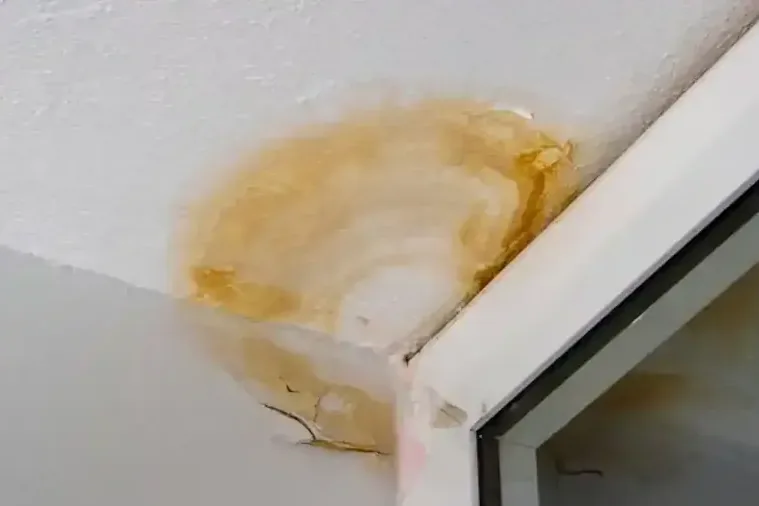
A growing ceiling bubble changes how a room should be used. Occupants need to stay clear while the overhead assembly is assessed, because absorbed water can weaken finishes and hide additional saturation above them. In Lake Oswego, ceiling leak cleanup starts with that safety question before any cosmetic repair is considered.
Read the stain as a water pathway
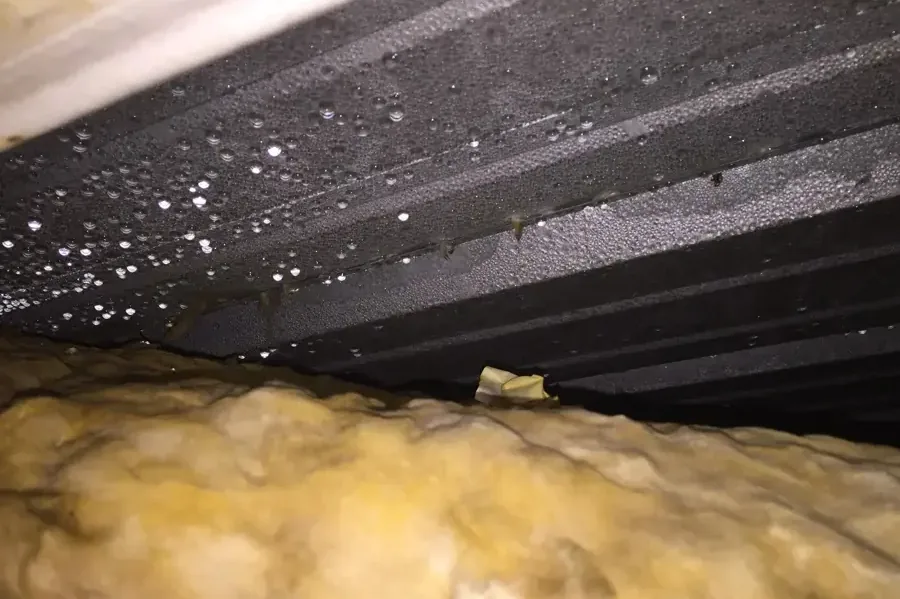
Water may travel along a framing member or pipe before it drops onto the ceiling finish. The most visible stain can therefore sit away from the source. An inspection should consider plumbing, roof entry and equipment above the room, using the timing of wetting and the actual building arrangement to decide where closer access belongs.
Old Town, Lakewood and Hallinan Heights provide useful location references when arranging an assessment. Within the home, details such as an upper bathroom, nearby cooling equipment or a stain that grows during rainfall help focus the source investigation. Each possibility leads to different repair work even when the ceiling looks similar from below.
Assess more than the painted face
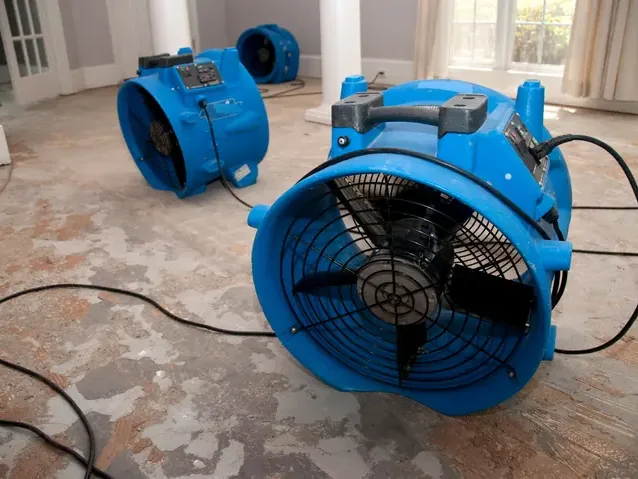
Ceiling panels, insulation and structural members respond differently to water. A softened panel may require removal, while retained framing can need controlled drying. Saturated insulation can keep adjacent surfaces wet and obstruct inspection. Safe access should expose enough of the affected assembly to support those decisions without relying only on the visible stain boundary.
- Check where the ceiling meets walls for moisture extending down concealed cavities.
- Record any change in sagging or dripping without standing beneath the affected area.
- Evaluate wet light fittings through an appropriate electrical professional before nearby work.
- Distinguish finish removal from the source repair above the room.
Coordinate the opening with the next stage
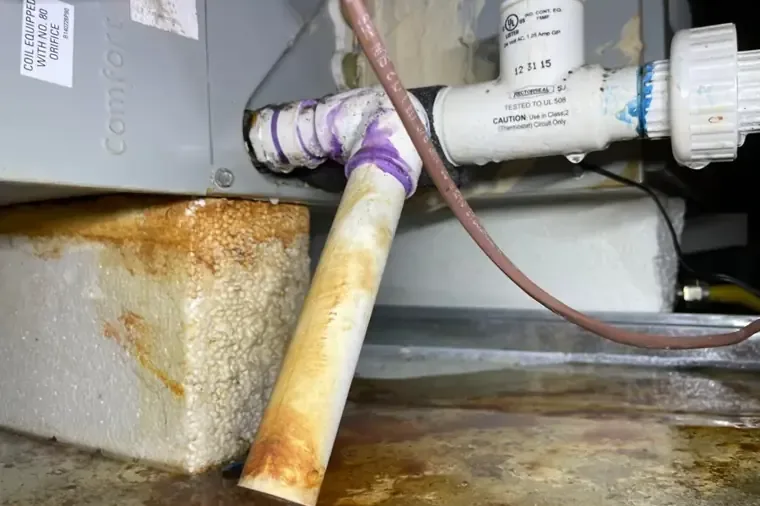
A rain related source may lead to roof leak cleanup, while equipment overflow may require condensate damage assessment. The ceiling scope should remain connected to that source work.
After damaged layers are handled, retained materials need moisture checks before new panels conceal them. The final repair plan should identify insulation replacement, ceiling finishes and any wall repairs created by the same water pathway.