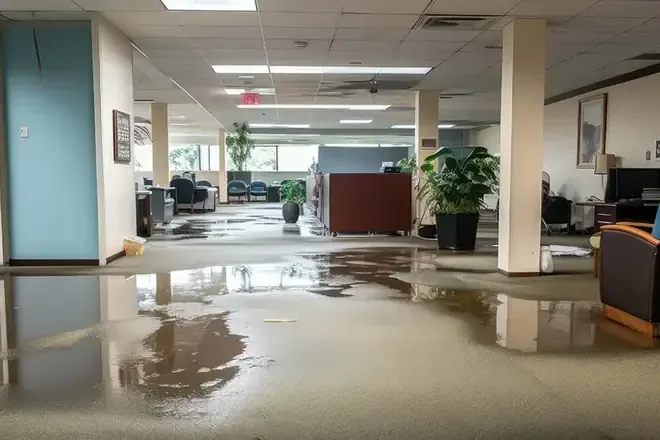
A business water loss needs a clear decision maker as well as an extraction plan. Commercial cleanup in Lake Oswego should identify the property contact, the affected rooms and the access restrictions before equipment and contents begin moving. That coordination helps keep the damage assessment connected to the actual business layout.
Separate the building loss from the operating decisions
State Street and Foothills were affected by the February 1996 flood. Along with Lake Grove, these local places provide useful references when describing a commercial property location. For a current incident, the inspection follows the actual source, tenant boundaries and room connections rather than assuming the same layout or water path across different businesses.
A manager may need to account for customer access, stored products, documents and powered equipment. The cleanup scope should distinguish those contents from wet building finishes. Decisions about continued occupancy depend on the assessed conditions and the responsible property's requirements, including safe access to unaffected areas.
Map the loss across shared connections
Water can move under partitions, through a continuous floor covering or along a service opening into another room. An apparently isolated office spill may therefore require checks beyond the first visible puddle. The inspection should identify which areas are accessible, where stored items obstruct readings and who can authorize access to shared spaces.
- Record affected inventory before necessary movement changes its original position or condition.
- Keep the removal route separate from dry storage and ordinary occupied circulation.
- Check rooms connected by flooring or wall cavities when readings indicate hidden spread.
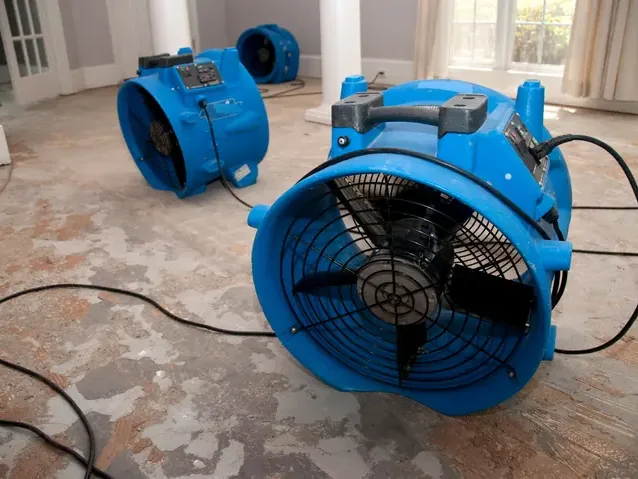
- Coordinate equipment placement with safe passage and access for repeat moisture checks.
Use records to support the repair handoff
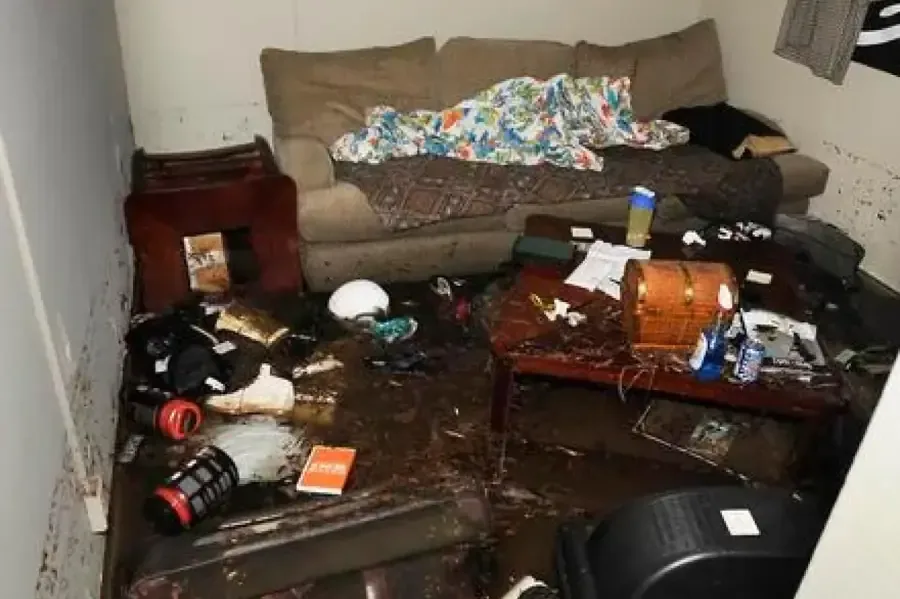
Initial water extraction may expose damage that requires a wider scope. Where outside water has entered, flood cleanup can add sediment and contaminated material handling to the project.
Drying records should identify retained assemblies and the remaining interior repairs. A clear handoff helps the property representative coordinate contractors, contents return and decisions about each affected room without treating the entire business as a single undifferentiated wet area.