West Linn Water Damage RestorationWater extraction and structural drying
After outdoor water enters

Flood Damage Cleanup in Happy Valley

Mud across a floor creates a different cleanup problem from a contained plumbing drip. Indoor floodwater in Happy Valley needs controlled removal, careful contents handling and an assessment of every affected porous finish.

(888) 373-8814Discuss indoor floodwater
  • Contamination assessment
  • Contents separation
  • Affected material removal
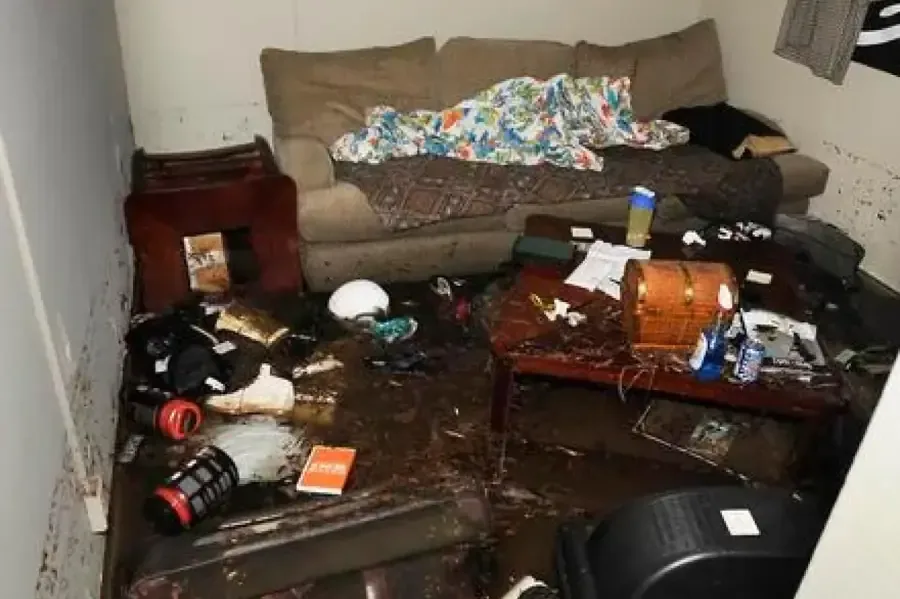
Mud and soaked household belongings across a flood-affected living room
Water conditionOutdoor entry requires assessment
Removal focusLiquid sediment and debris
Contents decisionSeparate affected porous items
Drying stageClean accessible structural surfaces
First steps

What to do before flood damage cleanup

  1. Wait for safe entry. A flooded interior can contain electrical hazards, unstable finishes and concealed debris. Keep occupants outside the affected rooms until access has been assessed as safe.
  2. Avoid moving dirty contents. Leave soaked rugs and upholstered items in place until a removal route is arranged. Moving them through clean spaces can carry contamination into additional rooms.
  3. Record reachable damage. Use photographs from dry, stable positions to capture water marks and affected belongings. Do not enter a hazardous room simply to obtain a closer image.
  4. Describe the entry point. Report where outdoor water appeared and whether entry has stopped. Include blocked doors or stairs that may affect inspection and the removal of wet materials.

Flood Damage Cleanup assessment

Establish a controlled boundary
The initial assessment separates affected rooms from clean areas. Access hazards and the condition of floodwater determine protective measures and the removal route.
Recover water and sediment
Equipment removes accessible liquid before sediment and damaged porous materials are addressed. Contents are evaluated individually rather than grouped under a single salvage assumption.
Clean exposed assemblies
Suitable structural surfaces receive cleaning after debris removal. Openings are planned around actual damage so concealed wet materials can be inspected and handled appropriately.
Track the remaining moisture
Drying follows cleaned surfaces and accessible cavities. Repeated measurements help document progress and support the handoff to repair work after the affected materials stabilize.
How the work proceeds

How flood damage cleanup is handled

  1. 1

    Establish a controlled boundary

    The initial assessment separates affected rooms from clean areas. Access hazards and the condition of floodwater determine protective measures and the removal route.

  2. 2

    Recover water and sediment

    Equipment removes accessible liquid before sediment and damaged porous materials are addressed. Contents are evaluated individually rather than grouped under a single salvage assumption.

  3. 3

    Clean exposed assemblies

    Suitable structural surfaces receive cleaning after debris removal. Openings are planned around actual damage so concealed wet materials can be inspected and handled appropriately.

  4. 4

    Track the remaining moisture

    Drying follows cleaned surfaces and accessible cavities. Repeated measurements help document progress and support the handoff to repair work after the affected materials stabilize.

Planning the work

What does flood damage cleanup cost in Happy Valley, OR?

Happy Valley flood cleanup estimates depend on contaminated materials, sediment and access as well as the area affected. Contents handling and cavity exposure can expand the work beyond the initial removal of visible indoor water.

Limited outdoor entry

$2,000 to $4,000
  • Contained affected room
  • Accessible debris removal
  • Initial surface cleaning

Multiple flooded rooms

$4,000 to $8,000
  • Several wet finishes
  • Expanded contents handling
  • Broader cleaning scope

Extensive flood impact

$8,000 to $12,000+
  • Widespread porous losses
  • Difficult cavity access
  • Complex drying setup

The scope reflects water category, affected area, material class and the delay before drying. water damage cost calculator.

Floodwater can leave grit beneath furniture and sediment along the bottom of a wall after the visible water recedes. Those deposits help show where contact occurred. Cleanup in Happy Valley begins with a safe room assessment, then considers the materials that absorbed water and the surfaces that can be cleaned after removal.

Keep the dirty route contained

Dragging a soaked rug through a dry hallway can widen the cleanup area. Removal planning should establish where wet belongings will be staged and how workers will move between affected and unaffected rooms. Contaminated porous finishes may need disposal, while suitable hard items can be evaluated for cleaning. Photographs taken before handling preserve the condition of those contents.

Inspect what the water touched

Mount Scott and Scouters Mountain are prominent features of the city. Southeast Honorable Way provides access to the parking lot at Scouters Mountain Nature Park. A flooded home's cleanup scope comes from water contact inside its own rooms: the height reached, materials wetted and spaces accessible for inspection.

  • Check lower wall cavities when absorbed water extends beyond the surface.
  • Assess pad and backing beneath wet carpet before making salvage decisions.
  • Identify cabinets or built ins that obstruct access to saturated flooring.
  • Separate sediment removal from the later drying of clean structural surfaces.

Build the drying plan after removal

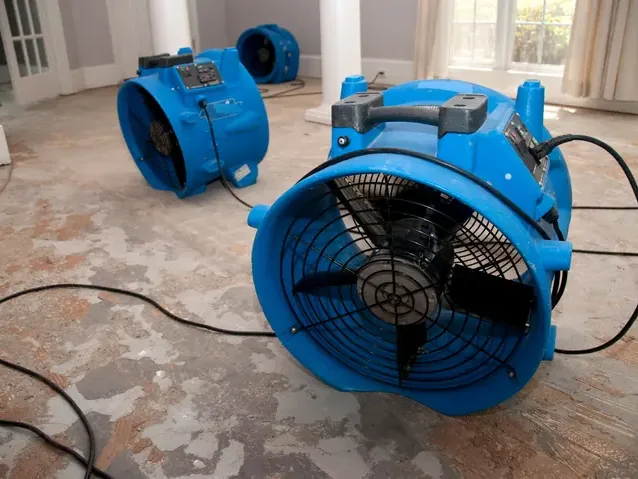
Air movement should follow contamination control and cleaning. Starting fans across dirty materials can spread contamination instead of improving the room. Once suitable surfaces are exposed, structural moisture control can address retained water with equipment and repeat measurements appropriate to the assembly.

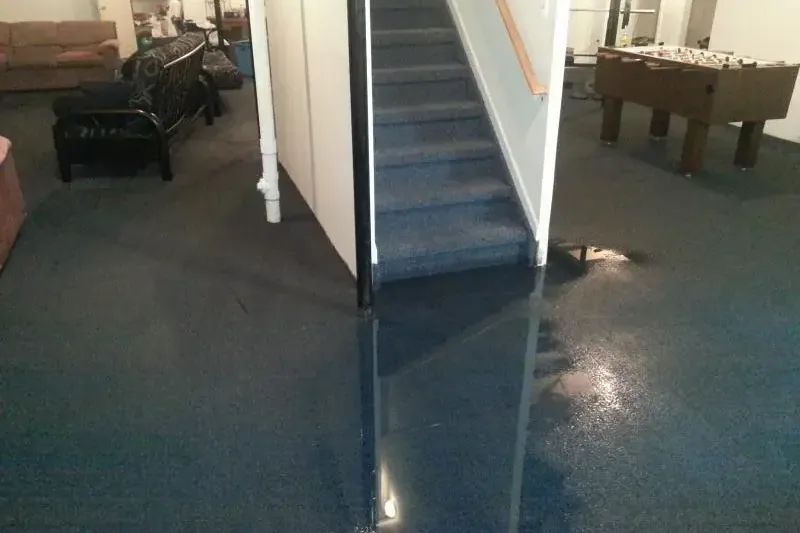
An existing lower level may also need basement water recovery, especially where the stair opening is the only practical access. Water removal and contents movement should leave safe working space rather than crowding the exit with damaged belongings.

The final scope should identify discarded materials, cleaned surfaces and remaining repair needs. Keeping those categories clear helps a household understand what cleanup accomplished and which replacement tasks still belong to the rebuilding phase.
Service area

Flood damage cleanup coverage

Flood cleanup planning in Happy Valley needs a description of the building's current access, remaining water and occupied areas. Mention any unstable flooring or blocked entrance so inspection can begin with the affected property's actual safety conditions.

The same service nearby: flood damage cleanup in West Linn, Lake Oswego, Canby.

Water damage restoration in Happy Valley · every town covered
Questions

Flood Damage Cleanup questions

01Can a rug be kept after flooding?

That depends on its material, contamination and the feasibility of thorough cleaning. Flooded porous items often require removal. A contents assessment should explain the decision and record condition before the item leaves the building.

02Should fans be started right away?

Fans should not blow across contaminated floodwater or dirty porous materials. Cleanup first needs safe access and contamination control. Air movement is then selected for the cleaned surfaces and remaining moisture within the affected building materials.

03Does dried mud still need removal?

Yes. A dry deposit still leaves material from the flood inside the room. Sediment removal and appropriate cleaning are separate from drying the building, and both need attention before new finishes conceal the affected surfaces.

04What happens behind a wet baseboard?

Inspection may show moisture in the wallboard or cavity behind it. Access decisions depend on material condition and contamination. Selective removal can expose affected surfaces for cleaning and drying rather than covering the damage with replacement trim.

05Can household members stay during cleanup?

Occupancy depends on safe separation, electrical conditions and the extent of contamination. A dry room alone may not provide suitable separation from the work. The inspection should identify usable areas and restrictions before continued occupancy is planned.

06What records support the repair handoff?

An inventory of removed finishes, photographs of exposed assemblies and drying measurements help the next contractor understand the cleanup. Source correction and any unresolved building damage should also be identified before replacement materials are scheduled for installation.

24/7 water restoration

Plan recovery beyond the visible water

A controlled removal and cleaning plan gives the household a clearer path from flooded rooms to measured drying and repairs.

(888) 373-8814Wet rooms? Call